November / Month of the Sonata – 15

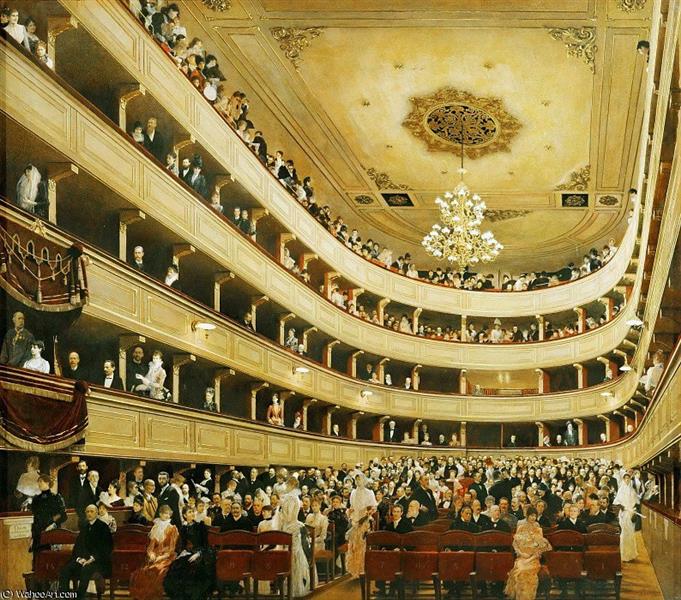
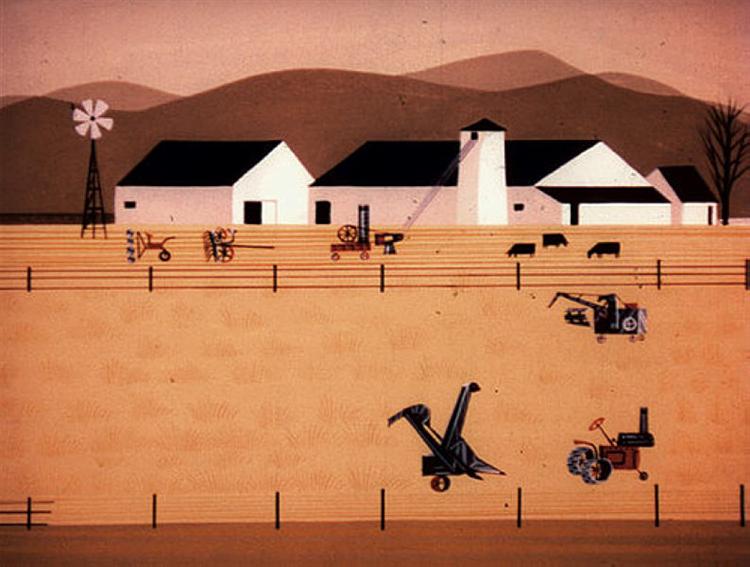
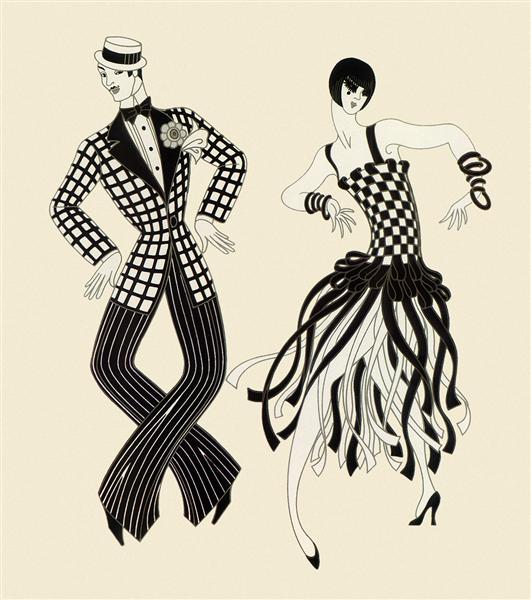
“Rhapsody of Steel“ (1959)
________
so what’s a rhapsody
_

“Liberty Leading the People“ (1830)
_________
for everyone, with great gratitude,
who reads me, I mean only to
bring poetry, which is to say,
light
though I’d considered leaving the
Romantic Piano Concertos behind
to explore other areas of the period
in this survey, it seemed unfair,
indeed remiss of me, not to include
the three among my top ten that I
haven’t yet highlighted, Beethoven’s
2nd, 3rd, and 4th Piano Concertos,
Opuses 19, 37, and 58 respectively,
after all, these are where the spirit
of the age, the Zeitgeist, was
constructed, like a building, with
walls, windows, a hearth, all of
which would become a church,
then a Church, and by the time of
Brahms, a very Romantic Cathedral
the foundation had already been laid
by Mozart with his 27, but music had
not yet become anything other than
an entertainment by then, or
alternatively, an accessory to
ceremonial pomp and circumstance,
see Handel and England for this, or
liturgical stuff, see, among many
others here, Bach
but with the turn towards
independence of thought as the
Enlightenment progressed, cultural
power devolved from the prelates,
and their reverent representations,
to the nobles, who wanted their own
art, music, which is to say, something
secular, therefore the Classical
Period, 1750 – 1800, in round figures
then in the middle of all that, 1789,
the French Revolution happened,
and the field was ripe for prophets,
anyone with a message of hope,
and a metaphysical direction, midst
all the existential disarray – the Age
of Reason had set the way,
theoretically, for the possibility of a
world without God, something, or
Something, was needed to replace
the The Trinity, the Father, the Son,
and the Holy Ghost, Who had been
seeing Their supremacy contested
since already the Reformation
Beethoven turned out to be just
our man, don’t take my, but history‘s
authentification of it, see the very
Romantic Period for corroboration
in a word, Beethoven established a
Faith, a Vision, not to mention the
appropriate tools to instal this new
perspective, a sound, however
inherited, musical structure – his
Piano Concertos Two, Three, and
Four, for instance, are paramount
amongst a host of others of his
transcendental revelations
briefly, the initial voice, I am here, in
the first movement, is declamatory,
even imperious, but ever
compositionally solid, and proven,
tempo, tonality, recapitulation, the
materials haven’t changed from the
earlier Classical epoch, just the
design, the interior, the
metaphysical conception
his construction is masterfully
direct, the line of music is
throughout ever clear and concise,
despite flights of, often, ethereal,
even magical, speculation, you
don’t feel the music in your body
as you would in a dance, as in the
earlier era, of minuets, but follow
it, rather, with your intellect, you,
nearly irresistibly, read it
but the adagio, the slow movement,
the middle one Classically, is always,
for me, the clincher, the movement
that delivers the incontrovertible
humanity that gave power to the
Romantic poet, who touched you
where you live
Beethoven says life is difficult, and
eventually, at the end of his Early,
Middle and Late Periods, life may
even have no meaning
but should there be someone, he
says, who is listening, Someone –
though implicit is that one may be
speaking to merely the wind – this
is what I can do, this is who I am
and while I am here, however
briefly, I am not insignificant, I
can be worthy, even glorious,
even beautiful, I am no less
consequential, thus, nor
precious, than a flower
for better, of course, or for worse
R ! chard
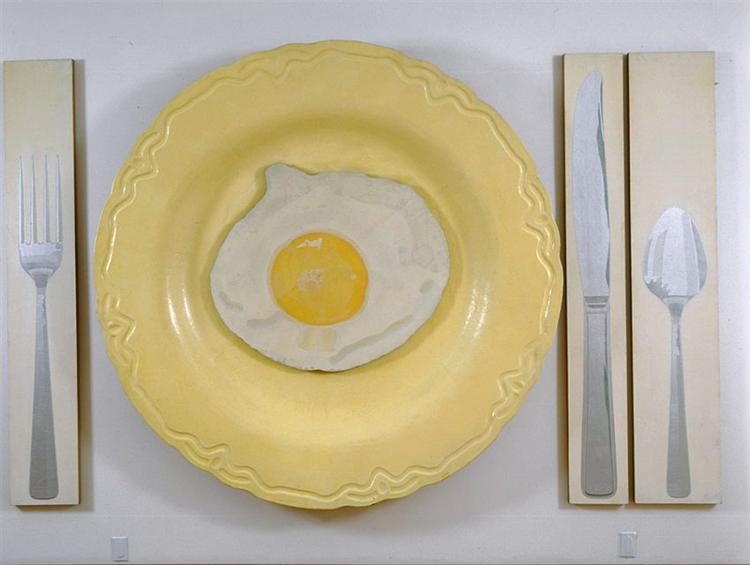
“Egg on Plate with Knife, Fork, and Spoon“ (1964)
____
after my somewhat prolonged side trip
into Bach country, though it is a land
of many more wonders, I’ll get back
on track, more or less, here, with
Beethoven’s Second Cello Sonata,
the other half of his Opus 5
till then, the cello had served as
accompaniment, essentially, for other
more discursive, higher pitched, less
sonorous, less stentorious
instruments
but Beethoven puts the cello back
into the hottest seat in the house, right
next to the ubiquitous piano, a
requirement in any instance following
the neglect of the cello during the
intervening Classical Period, despite
Bach’s earlier luminous illustration of
its incandescent potential
the Opus 5, no 2 starts, audaciously,
with an adagio, not always a wise
choice, as you’ve heard me repeat
here before, it can be unentertaining
but Beethoven gives his adagio tension
by introducing breaks often, which,
rather than stultify, creates momentum,
therefore a narrative, a story to follow
the rhythm is no longer adjusted to
dance essentially, such a spin as is
heard in the second and third
movements, for instance, would
surely sweep one off one’s feet
but the art is in the dance that
Beethoven allows and creates between
the piano and the cello, the first the
filigree on the arm of the more grounded,
more entrenched latter, the crystal, the
silverware that adorn, symbolically, an
however majestic oak table, the creamy
Hollandaise that makes an egg, however
elemental, irresistible, the literary turns
that might transform mere prose into,
verily, poetry, icing on a cake, in a word,
to complement, in stunning and equal
cooperation, the inextricable
counterpart
there is even a moral lesson transmitted
here
Beethoven can often be long-winded,
I’ve found, but there’s always, always,
at the end of the road something
entirely worth the extra minute, the
even several extra minutes
R ! chard
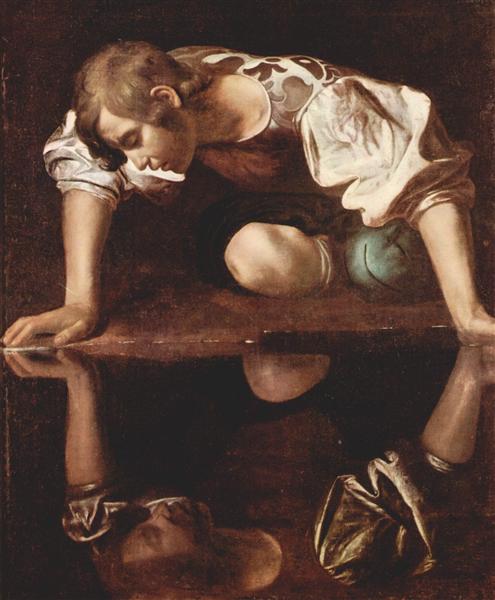
“Narcissus“ (c.1599)
______
what struck me about this most extraordinary
performance of Bach’s Third Cello Suite was
nothing to do with the Suite itself, but with
the work of the camera, right out of
Caravaggio, I thought, a bona fide Baroque
artist also, what could the cameraman have
known
stark contrasts, an absolute focus on the
subject without much set decoration, no
consideration for extraneous, though
perhaps effective, decorative elements
to cloud the pictorial issue
this is not at all Bach, incidentally, who
relies on accompaniment, feeder notes,
to shed light on the essential melody,
often even nearly indistinguishable
from the main statement
both are considered Baroque, Bach,
Caravaggio, but I won’t be getting into
it right now, it’s a long, and tortuous
story
otherwise note, indeed, in Bach, the
reiteration of clusters of music, forward
propulsions, with incremental tonal
variations, moving the melody forward,
something lost during the later, more
frivolous, Classical Period, but recovered
eventually, two generations down, by
Beethoven, kind of like children resemble
their grandparents much more than they
do their actual folks
eventually that becomes Minimalism, see,
for instance, Steve, “Different Trains“,
Reich
R ! chard
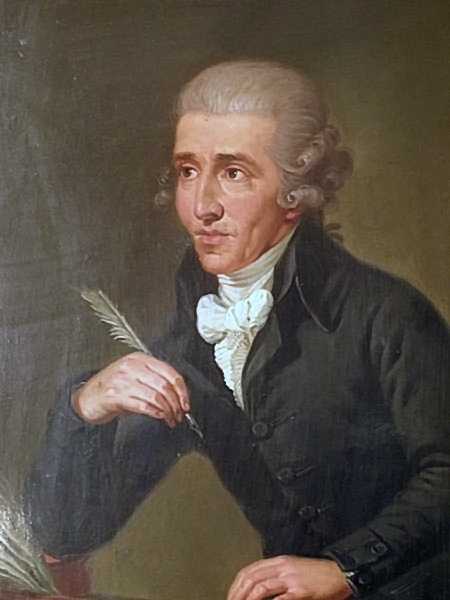
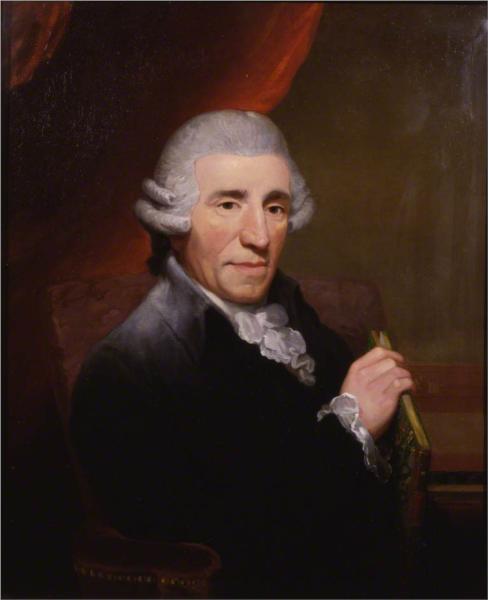
“Joseph Haydn“ (ca. 1791)
_____________
for, especially, Collin
Haydn’s Opus 42 was written in 1785,
he would’ve been 53, which might
explain his return to a less
ideologically driven music than his
earlier more vociferous compositions,
one gets more conservative, nearly by
definition, as one gets older
there is no vehemence in this quartet,
it is meant to merely delight listeners,
lords and ladies looking to be
impressed, there is no call to arms
here, there’s even a minuet
the final movement, the presto, might
seem urgent, but is rather, I think,
engaging than peremptory, more
entertaining than adamant
there’s only one string quartet in the
Opus 42, usually there are six in
Haydn’s opuses, or opera, the piece
is also terse, a wonderland of
extraordinary music within the span
of, however improbably, just 13
minutes
Haydn seems to be giving us his idea
of the string quartet, a nearly Platonic
proposition, in a nutshell
Plato thought that there was an ideal
string quartet somewhere up there in
an ordering space, a mystical
system of specifically representative
entities, determining the accuracy of
definitions, religions presently
struggle with that, the inflexibility of
their intractable propositions, Haydn
was giving us something to think
about, a string quartet to define the
very ages
note the recurrence of the original
theme always with all of its
permutations
note the rhythmic consistency,
though the several movements are
decidedly, and effectively, divided
according to their strict tempos
note that all, though here and there
a strident note may appear, the
tonality, the key, the modality, is
constant
this will change
but for now we have the very essence
of the Classical Period
and it’s hot
R ! chard
psst: to a friend who’s become impressed
by my choice, incidental of course,
of cellists, I would suggest it has
more to do, perhaps, with its sonority,
the low thrum of their instrument, it
can really unsettle one’s kundalini,
the sleeping serpent at the base of
the spine, and not so much the
individual cellist, maybe
 Richibi's Weblog