sonatas, continued (Beethoven – Opus 97)
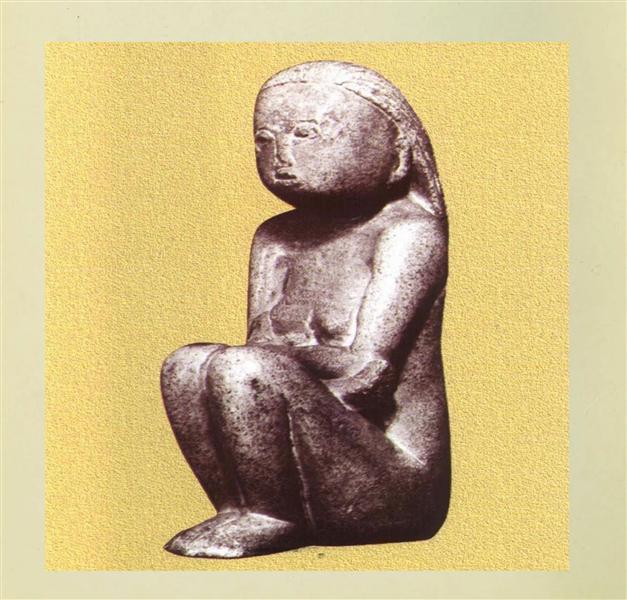

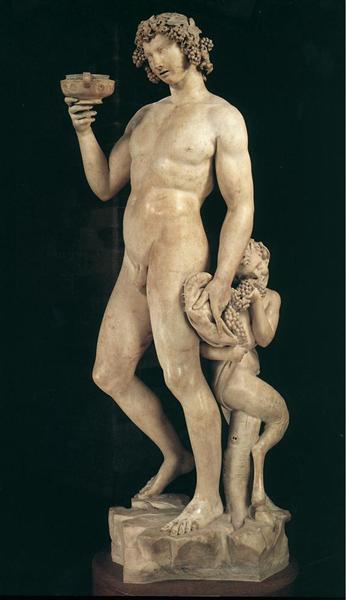
“From high Meonia’s rocky shores I came,
Of poor descent, Acoetes is my name:
My sire was meanly born; no oxen plow’d
His fruitful fields, nor in his pastures low’d.
“I view’d him nicely, and began to trace
Each heav’nly feature, each immortal grace,
And saw divinity in all his face,
I know not who, said I, this God should be;
But that he is a God I plainly see:
And thou, who-e’er thou art, excuse the force
These men have us’d; and oh befriend our course!
befriend, accord it your sympathy
Pray not for us, the nimble Dictys cry’d,
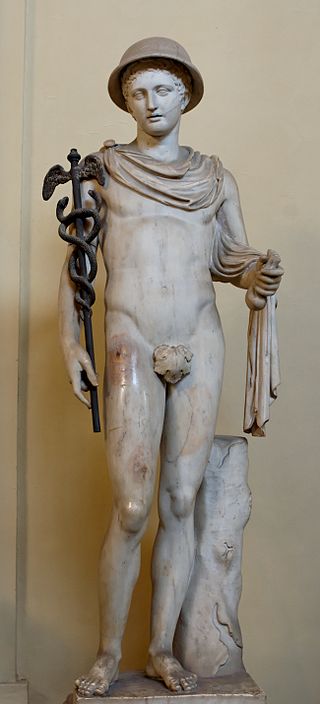
Statue of Hermes (Vatican Museums)
___________________
Now Jove no longer cou’d her suff’rings bear;
But call’d in haste his airy messenger,
The son of Maia, with severe decree
To kill the keeper, and to set her free.
With all his harness soon the God was sped,
His flying hat was fastned on his head,
Wings on his heels were hung, and in his hand
He holds the vertue of the snaky wand.
the goats
______________
if I’m including Tchaikovsky’s Third,
and last, Piano Concerto in my survey,
it’s not because of its excellence, it is,
indeed, severely flawed, but because
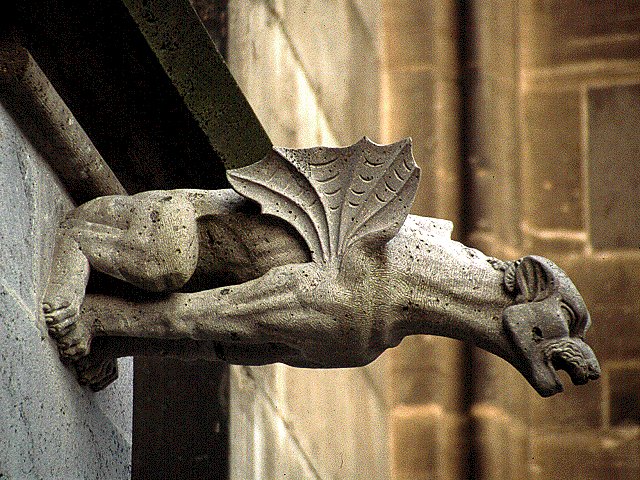
I am a completist – if I’m visiting the
Cologne Cathedral, ergo, for instance,
I’ll make my way to the very top,
however treacherous might be the
stairs, the gargoyles being worth it,
not to mention the view
first of all, it’s incomplete, Tchaikovsky
died before finishing it, you can’t blame
him for that, though he was, curiously,
complicit in his own demise, but I don’t
believe this composition and his death
are that intimately interrelated
it has only one movement, but has
nevertheless been termed a concerto
on the, debatably unsound, strength
of its intention
briefly, and this is my opinion, the
movement has no lyrical moment,
no melting melody to float you out
of the recital hall as you exit,
nothing to hum, nor to whistle as
you wistfully wend your way back
home, nothing to remember but
flash, braggadocio, bombast,
expert fingers strutting their
dazzling, even, stuff, style over
substance, I venture, won’t be
enough to whisk you into the
following centuries
Chopin, the other towering Romantic
figure standing between the spiritual
bookends of Beethoven and Brahms,
wrote two piano concertos, of which
his Second suffers from, essentially,
not being his First, however mighty
his Second here, for instance,
proves to be in this utterly convincing
performance, watch, wow
Beethoven, in other words, wrote the
book, two works, Tchaikovsky’s First
and Chopin’s First, tower above his
in the public imagination during the
ensuing High Romantic Period, after
which Brahms closes the door on the
era with his two powerful masterpieces
for piano and orchestra
of which more later
there are other piano concertos
along the way, but Beethoven’s
five, Tchaikovsky’s and Chopin’s
one each, and Brahms two are
the basics – but let me add, upon
further consideration, and for a
a perfect ten options, Liszt, his
own, of two, First Piano Concerto –
what you need to consider yourself
comfortably aware of the essentials
of music in the 19th Century, the
culture’s predominant voice then,
until art, painting, took over as the
Zeitgeist‘s most expressive medium
with Impressionism
of which more later
R ! chard
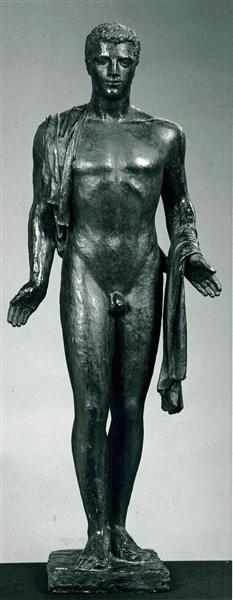
“Apollon” (1937)
_______
flipping through old ruminations
lately, that I’d left in my out box for
whatever reason, I came across this
number that I’d discovered on the
Internet in order to soothe a trying
emotional upset, when my heart is
broken, I learn the words to torch
songs, and wallow in their misery
until the poignancy of the poetry
seduces me and I revel in their
caress, in their, indeed, excess
Apollo, my own personal deity, and
I had split after 17 years, and though
that story is completely different
from the one in this torrid love song,
the anguish remains utterly the same,
whether it’s around the man one
loves, loved, or would love
watch this wonderful rendition of
“The Man I Love“ in a version you’ll
probably never forget, for both its
originality and its great humanity
R ! chard
_______
here and there, an artwork has presented
itself to me as transcendent, which is to
say that in its presence, I quivered,
experienced a verily cosmic transmission
of energy, a sacred communication
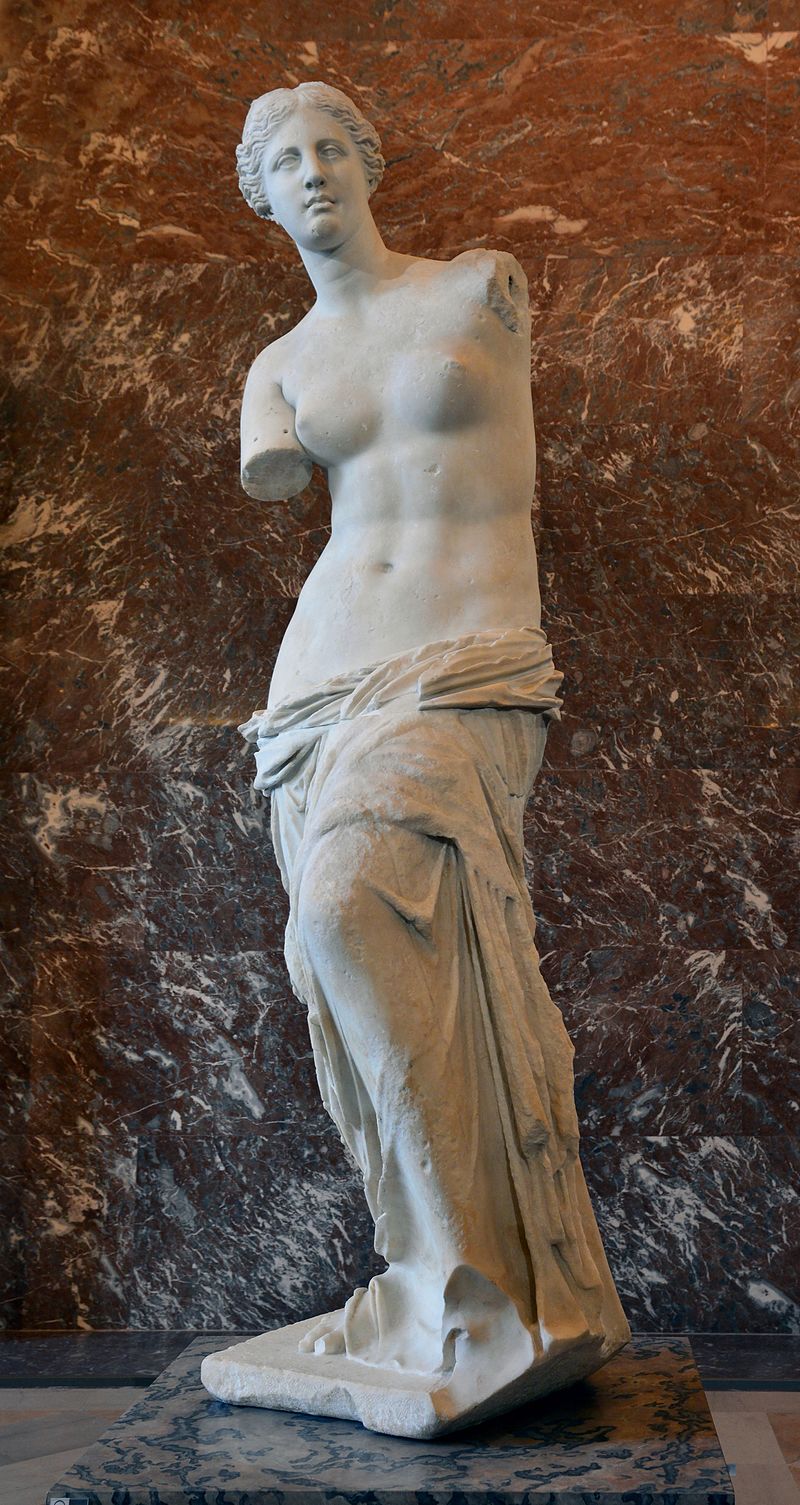
the Venus de Milo, in the Louvre, who
breathed, existed, as I turned a corner
and beheld her, imperiously presiding,
holding undying, immortal court, as a
goddess indeed should, would, and
there profoundly did, and does, I
suppose, still
the “Sistine Madonna“, in the Zwinger
in Dresden, mesmerized me from a
distance as I approached her, along
a long row of corridors, towards a
resplendence that was
incontrovertible, a very epiphany, I
still reverberate recollecting her
incandescent majesty
Beethoven’s Opus 106, his
“Hammerklavier”, is such a work,
not evident perhaps before the third
movement, the “adagio sostenuto”,
which will, I suspect, stop you dead
in your tracks, arrest you from its
very first mystifying moments,
magical, miraculous
Beethoven’s “Hammerklavier” is
the first piece of his to have moved
from being descriptive, narrative,
to being philosophical, meditative
in its motivation, emotions are
evident, but evoked only in the
context of exploring something
grander, something metaphysical,
you come out the other end having
gone to church, having explored a
spiritual environment, you exit
perhaps not absolved, but
somehow understood, reassured,
comforted, counted
a lot, incidentally, like Bach, note,
plying his cantatas and oratorios,
not to mention his introspective
fugues, a not to be unremarked
atavism, how grandchildren
resemble, even imitate, however
unconsciously, their grandparents,
I even have such pictures
more about all of which later
R ! chard
psst: something I found cute as I
brushed my teeth between
the movements, the
“Hammerklavier” is in the
same key as my electric
toothbrush, B-flat major, a
robust, I assure you, way
to greet the morning

“Assault on the Kremlin in 1917“ (1951)
__________
the Twelfth Symphony of Shostakovich,
“The Year of 1917”, is a lot more of the
Eleventh, “The Year 1905”, both
commissioned, both celebrating
significant events of the Russian
Revolution, both therefore steeped in
references that now elude many who
aren’t Russian, and certainly those who
generations elsewhere later never lived
through these particularly local events
but the Twelfth is shorter by nearly
half, thankfully, I also found it to be
unconvincing, plastic, formulaic,
neither original, nor enthusiastic,
tedious and uninspired, musically
speaking, of course
or maybe I’m just getting cranky
also a music honouring a system that
is now defunct, debunked, discredited,
couldn’t long survive but historically
among the works of an otherwise
extraordinary composer, think of
Confederate monuments still standing
in the Southern United States, or of
those of oppressors of First Nations,
for instance, in our very own Canada,
though these might’ve been
sculpted by even Michelangelos,
an irresolvable cultural confusion,
predicament
the works are programmatic, both
have titles to indicate a particular
referent, and should be evocative
of, therefore, those situations,
music, in other words, for the
movies, but in these instances,
without the movie, I’ve talked
about that before
all the movements also have titles,
apart from the time signatures,
adagio, presto, allegro, the like,
the Eleventh, “The Palace Square”,
“The 9th of January”, “Eternal
Memory”, and “Tocsin”, a warning
bell
the Twelfth, “Revolutionary Petrograd”,
“Razliv”, “Aurora”, and “The Dawn of
Humanity”
I couldn’t help but refer to Beethoven’s
Sixth Symphony, the “Pastoral”, to
compare identical musical intentions,
his five movements are “Awakening of
cheerful feelings upon arrival in the
countryside“, “Scene by the brook“,
“Merry gathering of country folk“,
“Thunder, Storm“, and “Shepherd’s
song; cheerful and thankful feelings
after the storm“
compare the use of the flute, the
oboe, the bassoon, Beethoven isn’t
using any obbligatos yet, solos for
particular instruments, but you still
get the feeling of country folk
dancing, spring taking hold
let me point out that you’ll have to be
patient with the link to the Sixth
Symphony, it’s Japanese, I think, and
will require you to push the arrow in
the middle of the screen, then wait
out a few movie ads, which’ll nearly
confound you, but then you’ll get the
best ever Sixth Symphony I’ve ever
heard, Herbert von Karajan at the
helm of the Berliner Philharmoniker,
proving why he is still Zeus among
conductors
and his thumbs, goodness, anyone
with thumbs like that is bound to
change history
R ! chard
psst: incidentally, Yevgeny Mravinsky
was the conductor, equally
illustrious, who premiered
Shostakovich’s Twelfth in 1961,
the same conductor as in the
presentation here
 Richibi's Weblog