Cello Concerto no 1 in C major – Joseph Haydn

“St. George and the Dragon“ (c.1470)
________
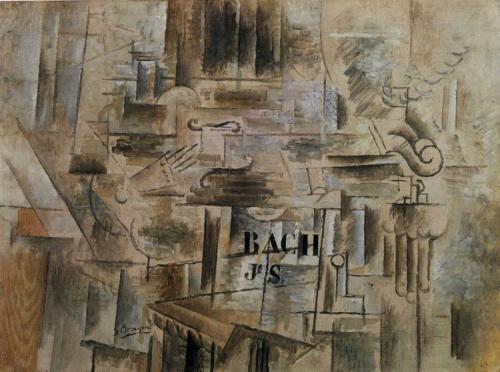
it isn’t easy for me to leave Bach behind
whenever I start listening to him, I could
ride his musical train forever
but the middle of the 18th Century did, put
him aside, for about a hundred years, until
Mendelssohn rediscovered him
Bach’s Cello Suites were themselves only
reinstated in the 1930s by Pablo Casals,
the Classical 18th Century had considered
Bach too fussy, his pieces, they thought,
were technical exercises rather than
actual entertainments, form was
overtaking, for them, function
there’s a wonderful book about all this,
“The Cello Suites“, written by Eric Siblin,
a Canadian journalist, which is not only
amazingly informed and probing, but also
beautifully written, it holds a place of
honour on my bookshelf, along with other
inspired, and inspiring, texts
not only was Bach set asunder, dismissed,
during the Classical Era, but all of the
formative music also he had written, for
cello, violin, keyboard, in other words,
the entire curriculum
which, since Bach’s reinstatement, has
become, paradoxically, the very
foundation for learning these instruments
imagine playing a tune with the right
hand, then a few notes later, picking
it up in the left hand while the right
hand keeps on going, imagine what
that does to your fingers, never mind
to your mind, that’s what his Two-Part
Inventions are all about, fifteen of
them, eight in major keys, seven in
minor, consider the technical
difficulties, intricacies, imposed
both compositionally and upon
the harried performer
then Bach follows through with his
Three-Part Inventions to top it all
off, for the keyboard at least, and
only for the moment – there’ll still
be his transcendental “Goldberg
Variations” among other
incandescent masterpieces –
wherein one juggles three tunes at
a time, and all of them in the same
assortment of fifteen contrasting,
foundational, keys, the “Inventions“
– if you can do that, you’re on your
way, one would think, to knowing
entirely what you’re doing
but time marches on, the Classical
Era hits, Haydn takes over, not
unimpressively
the same thing happened in my
generation to Frank Sinatra via
the Beatles, not to mention, a little
later, to either, with Pink Floyd
listen to Haydn’s First Cello Concerto,
note the bravura inherent in the
composition, this is not Bach’s
meditative music, the very Romantic
Period is, through Classical reserve,
expressing already its imminence,
individual prowess is taking over
from community, which is to say
religious, affiliation, the same way
the Renaissance artists, Duccio,
Giotto, Fra Angelico, Filippo Lippi,
Uccello had stood out, incidentally,
from their brethren in the standard
communal art schools dedicated to
decorating the ever burgeoning
churches sprouting out in the still
fervent European environment
musical, though unaristocratic,
talents, this time, were beginning,
within a German context, to flex
their decidedly not unimpressive
muscles, and gaining some
significant purchase
and who wouldn’t when a Cello
Concerto would’ve sounded like
this, listen
R ! chard
 Richibi's Weblog