Just another WordPress.com weblog
Tag: Pallas Athena – goddess of War / Wisdom
______ an interesting thing has happened with the story of Cadmus , he is not only a mythical figure, but also a legendary one, which is to say that Cadmus has roots in actual history, he’s not just an imaginary construct like those that until now have peopled Ovid’s text Cadmus appears to have actually founded Thebes , whose origins, however, are lost in antiquity, going back to, it appears, the late Bronze Age , around 2000 BC, goodness stories evidently grew around Cadmus , that transformed him intoour first documented hero, indeed superhero counterparts exist in other traditions, consider David , for instance, whoslew his own dragon, Goliath , before becoming king of the Israelites, 10th Century BCE, at Jerusalem, where he consorted, incidentally, later, with Bathsheba , however illicitly, butthat’s another story King Arthur , late 5th to early 6th Centuries CE , stems from British lore, though his historical actuality has been contested, is also a hero with preternatural capabilities based on some historical accountability in our day, there’s James Bond , based on real, living and breathing, personalities or, dare I say, even Jesus the point here is that actual people are being included in the, however culturally specific, mythologies, which, in each, had earlier consisted of metaphorical constructs merely, the concept of History , in other words, was being born, memorable events were to be remembered, recorded, documented, if only, originally, orally, around, say, campfires, however aggrandized might have been their recollected heroes Cadmus , meanwhile, in our story, is about to establish his own historical, and archeologically confirmed, note, credentials The dire example ran through all the field, The dire example, the dragon’s teeth, grown into men, had begun, if you’ll remember , to slaughter one another
e xample, display The furrows swam in blood: and only five Echion, one of the five survivingbrothers Wisdom, also of War
And with the rest a peaceful treaty makes, the rest, the four other survivors So founds a city on the promis’d earth, promis’d earth, the premonition of the oracles whose counsel Cadmus Here Cadmus reign’d; and now one would have guess’d his exile, from Tyre , Cadmus’ original home, from which his father, Agenor , had sent him, not to return, he’d Long did he live within his new abodes, Ally’d by marriage , at the end of a period of penance for having killed the dragon, which had been sacred to Ares , god of War, the gods gave Concord, to be his wife Ares would eventually exact mightyvengeance, but that’s another story And, in a fruitful wife’s embraces old, even Cadmus , though he might enjoy a long life, and many, a long increase of, children, is not immune to any of the vicissitudes of life either until his own time has come, the poet advises, however ominously and here Ovid also introduces the subject of his next metamorphosis, Actaeon , however early, luring us thereby, deftly, literarily, towards his next instalment, Actaeon’s story, eponymously, there, given its title Actaeon was the first of all his race, Who griev’d his grandsire in his borrow’d face; Condemn’d by stern Diana to bemoan his grandsire, his grandfather, who was the mother of Actaeon
borrow’d face, Actaeon was transformed into a stag by the Hunt, of the Moon, of Chastity, for having seen her naked as she was bathing he now has the face, the visage, of someone, something, he hadn’t been before, borrow’d To shun his once lov’d dogs, to bound away, having been transformed into a stag, or metamorphized, Actaeon would end up hunted, and worse, by his own, once lov’d, dogs And yet consider why the change was wrought, to have been at the wrong place at the wrong time, yet to suffer, however unfairly, the consequences, that, Ovid asks, is the question, the conundrum stay tuned R ! chard
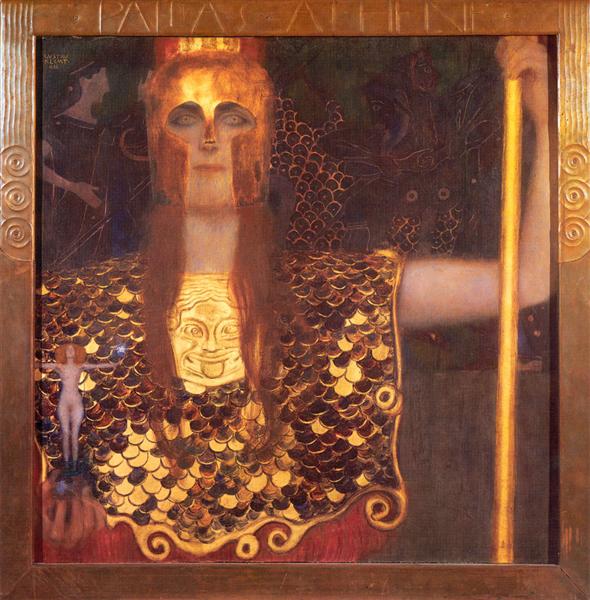
___________ Cadmus beheld him wallow in a flood swimming poison, the venom thedragon had spewed, intermix’d with blood , after Cadmus hadstruck the beast with his jav’lin, When suddenly a speech was heard from high the suggestion here is that the voice is disincarnate, ethereal, otherworldly, from high, not nigh “Why dost thou thus with secret pleasure see, secret pleasure, the self-satisfaction of the soul, unspoken what thou thy self shalt be, a prophecyas cryptic as oracular pronouncements ever tended to be,also ever ominous Astonish’d at the voice, he stood amaz’d, all around, the detritus, the waste, theravages that surrounded him, that Cadmus viewed, gaz’d at, amaz’d … with inward horror When Pallas swift descending from the skies, Pallas, the goddess Athena , of Wisdom,of War, bold and wise patroness, protectress of, among other Greek cities, incidentally, Athens , site of, on her temple Bids him plow up the field, and scatter round we’ve seen this happen before, if you’ll casting the stones, their mighty mother ‘s bones, to replenish, after the flood , theresurgent Earth with people Then tells the youth how to his wond’ring eyes
wond’ring, startled
He sows the teeth at Pallas’s command, And flings the future people from his hand. The clods grow warm, and crumble where he sows; Cadmus is sow[ing] people, future people, however, apparently, military,at the command of the goddess, but Pallas , remember, is goddess of War, these metamorphosizing, ahem, entities would be her progeny, her spawn And now the pointed spears advance in rows; an army – listen , this is how I think Shostakovich would’ve heard it, searing allegretto, a movement he’d initially entitled War before deciding against it you be, and I highly recommend it, into it, a much more convincing, to my mind, production, however significantly extended So through the parting stage a figure rears as each of the teeth develops, grow[s] warm, as each figure rears … and limb by limb appears, men arise, recognizableas such, each in his full proportion Cadmus surpriz’d, and startled at the sight forbear, hold on, desist, stop promiscuous, indiscriminate This said, he struck his brother to the ground, the new foes are slaughtering eachother, Cadmus doesn’t have to lift a finger what’s up stay tuned R ! chard

 Richibi's Weblog