on a personal note
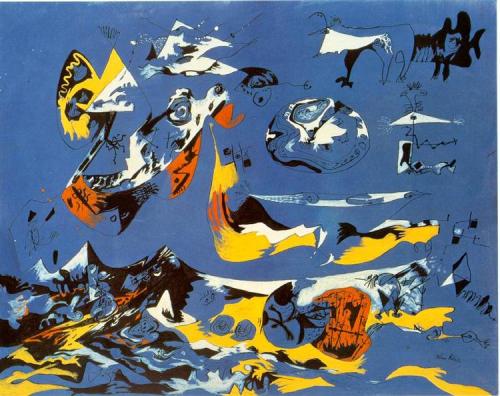
“Blue (Moby Dick)“ (1943)
_________
for Gail
my story is nearly incredible, as Herman
Melville would say around his Moby-Dick,
but there you have it, today, I levitated
I’d been leery about broaching the
“Razumovsky” Quartets, their never having
been my favourites, for being both too
groundbreaking, and not enough, strident
passages with insufficient philosophical
exploration, and opted all but instinctively
for the more probing stuff, Beethoven’s
later transcendental revelations
but how could I talk about string quartets,
I reasoned, the actual focus of my, however,
apparently peripheral, subject, here, without
tackling, and decidedly, the very best example
of Beethoven’s Middle Period, his Opus 59
there are three works in the “Razumovsky”s,
but after a veritable epiphany, I chose
the First
my housekeeper had arrived, Proust’s
Françoise, in my poetic imagination,
a lady who knows my most intimate
secrets, but tends merely, and
respectfully, and dutifully, indeed
blessedly, but to her mission, though
I entrust her, by extension, I guess,
with aspects, even unconsciously,
of my very soul
I’d delighted in the second movement
of Beethoven’s 7th String Quartet, the
“Allegretto vivace e sempre scherzando“,
was even singing along, told her I’d get
the notes right next time, even did a
second turn that she thought better
than the first
then I realized, after a break, for
refreshments, that the adagio was about
to come up, the “Adagio molto e mesto“,
not to mention its unanticipated “attacca“
o my god/dess, I cried, you’re not going
to be ready for this, though I remembered
nothing of this particular, however
miraculous, eventually, movement
she remained throughout composed,
continued diligently her purposes,
while I, progressively, levitated, left,
I tell you, the sofa, transcended
wow, I kept exclaiming, as I held on,
however enthralled, to my seat, Gail,
I screeched, I’m not even touching
the sofa
she kept on, imperturbably, steadily,
and conscientiously passing the
vacuum, while I up and soared
the last glorious movement, the
“Allegro”, carried me comfortably
to a satisfying conclusion, enough
to settle me down enough to touch
the ground in order to pay her
which she, ever as graciously and
discreetly as Françoise might’ve
done, acknowledged
I’ll send you the transcript of my
impressions, I said to her, you’ll
want to listen, you’ll love it
listen, you’ll love it
R ! chard

me, May 24, 2016
__________
I save all the New Yorker poems
to read after I’ve been through
everything else in the issue,
like dessert after a meal, icing
on the cake, sometimes too
heavy, sometimes too light,
sometimes too rich, sometimes
just right
today, I found my favourite poem,
period, this year, stepped right
into its shoes, like old slippers,
the only difference being my
walls are painted a variety of
contrasting colours, studded
with memorabilia, treasured
artefacts, see above
also, no one’s translating my
poems, though even our metre
is the same, try it, sing us out
loud, you’ll dance
R ! chard
_____________
Every time Gulliver travels
into another chapter of “Gulliver’s Travels”
I marvel at how well travelled he is
despite his incurable gullibility.
I don’t enjoy travelling anymore
because, for instance,
I still don’t know the difference
between a “bloke” and a “chap.”
And I’m embarrassed
whenever I have to hold out a palm
of loose coins to a cashier
as if I were feeding a pigeon in a park.
Like Proust, I see only trouble
in store if I leave my room,
which is not lined with cork,
only sheets of wallpaper
featuring orange flowers
and little green vines.
Of course, anytime I want
I can travel in my imagination
but only as far as Toronto,
where some graduate students
with goatees and snoods
are translating my poems into Canadian.
__________
psst: I said just recently to a poet
acquaintance that what poetry
needed in the 21st Century is
humour, the only art form not
catching up with the rest,
otherwise it’ll die of, indeed
succumb to, its own
lugubriousness
thank you again, Billy Collins
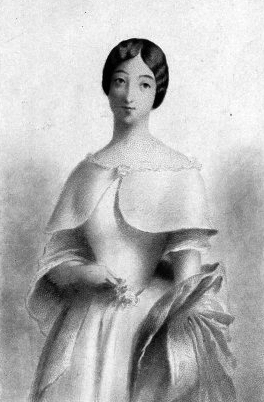
Charles Chaplin (1825 – 1891)
_________
this version of “La traviata“ has no
subtitles, but it should be remembered
that only a few years ago none of them
had, not even in opera houses
I learned to love “La traviata“ on CD,
couldn’t either see the performance
then, now the internet supplies us,
gratis, with complete operas, from
very Gluck‘s to very Philip Glass‘
with the text translated throughout
a synopsis
Violetta is a courtesan, a traviata, a
fallen woman, who’s fallen all the way
to the top of Parisian society, she has
just recovered from a malaise and is
hosting a celebration, her salon
entertains many who’ve been
instrumental in securing her not
unsullied reputation, it is the world
of Marcel Proust
a new suitor arrives, Alfredo Germont,
who pledges his love undying, she is
eventually seduced, by his, no doubt,
impressive arias, croce e delizia, he
sings, she counters, agony and
ecstasy, indeed
the ups and downs of love ensue,
Germont’s father objects to the match,
claiming Alfredo’s sister’s chances
at marriage would falter should her
name, their name, be defiled, he
convinces Violetta to leave Alfredo
for the sake of his family, whereupon
everyone feels betrayed
Alfredo, Alfredo, she cries, di questo
core non puoi comprendere tutto
l’amore, Alfredo, Alfredo, you cannot
understand fully the love I have in
my heart, she moans, begrudges
but love conquers all in the end,
though not life, as it turns out, Violetta
succumbs to her malaise, which had
all along been consumption,
tuberculosis nowadays
you’ll see Spanish dancers, gypsies,
they are part of Violetta’s entertainment,
have nothing to do with the story,
otherwise the music itself tells all
the camellia, note, which you’ll see
highlighted here and there, is a
reference to Violetta’s inspiration,
the novel by Alexandre Dumas, fils,
or junior, his “La Dame aux camélias“,
which the same author shortly
thereafter made into an equally
successful play, “Camille” in English,
the lady of the camellias, incidentally,
Renée Fleming has taken over the role,
from Maria Callas in the Fifties, then
from Joan Sutherland in the Eighties,
she is the traviata for this generation
she is perfect, her arpeggios will
shoot up your spine
Richard

_______
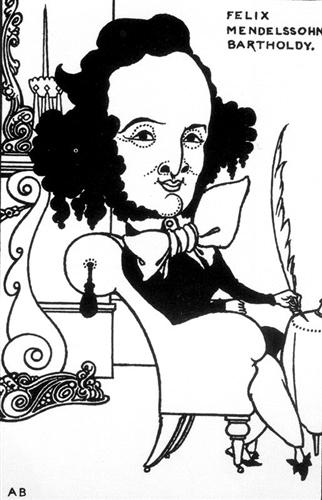
“Caricature of Felix Mendelssohn“
____________
my music teacher on the Internet,
a woman of impeccable credentials,
said about Mendelssohn that his
music was “instantaneously
recognized”
I raised a quizzical eyebrow, and
thought, not to me, honey, despite
my erudition I’d never even heard
of Mendelssohn’s Opus 13, String
Quartet no 2 in A minor
it was full of atonalities, you could
be forgiven, I thought, for thinking
it might be even after Brahms, by
you I mean, of course, me
but an incontrovertible tenderness
and courtesy runs like blood through
it, enough to anchor it to the very
engines, entrails, gut, if you’ll permit
me, of Romanticism, it was 1827
but there wasn’t a single tune I’d
ever heard, in contradiction to my
nevertheless highly respected
teacher, however ever pleasant,
however ever amazing the
number
I was surprised, I’d expected some
Proustian, which is to say, inchoate,
reminiscence, encounter
Mendelssohn was 18 when he wrote
this, sowing his oats, some oats
Richard
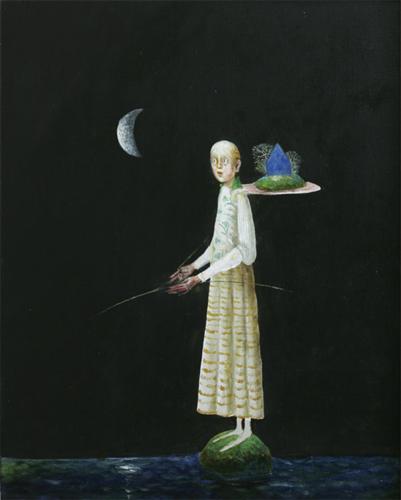
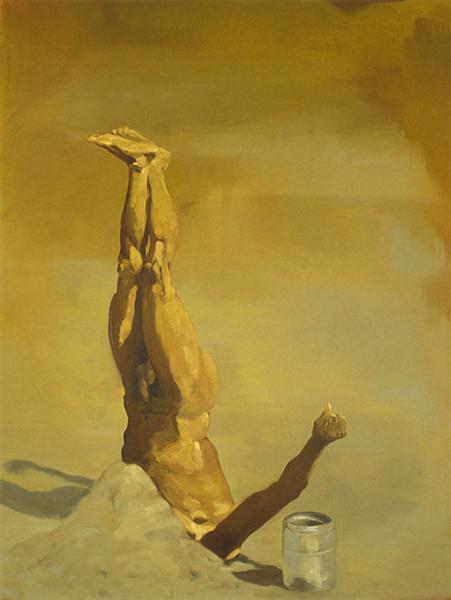
“The Night of the Water Searcher“ (2005)
_______
though my friend whom I’d advised to
watch water boil probably didn’t heed
my suggestion, on the grounds that
she didn’t have the patience, much
as people who won’t do yoga do
despite the evident benefits, not
even myself for that matter, I’ve
continued to watch not only water
boil, identifying its myriad
permutations, but broth as well for
its incidence in homemade soup,
rice and, inadvertently lately, hot
toddies
before it erupts into a boil, a froth
will foam forming miniature bubbles
each the colour of rainbows until
they pop from the pressure that’s
built beneath them
Annie Lennox was on, I’d purchased
the video from iTunes of her latest
superb concert, to spend a quiet
evening while the chicken bones,
herbs and vegetables simmered
I haven’t yet even considered
watching anything simmer though,
certainly not yet broth
therefore Annie Lennox
her concert, “Nostalgia“, was a
recollection of blues greats that each
and every one of them had meaning,
roots in my, our, experience, songs
like “Georgia“, “Summertime“, “It’s
Just the Nearness of You“, “You
Belong to Me“
I broke down at “I Can Dream, Can’t I“,
needed lots of Kleenex
a song is a milestone, anchoring us to
our memories, to who we were then,
each time we hear it, over and over
again, like a chronological refrain,
informing us, each time, who we’ve
become, who we’ve been, if you don’t
remember the time or the place, each
fading in the distance, you remember
the feeling, how you incorporated the
meaning, made it fit you and your
particular ache, made you believe
this song must’ve been written for
you, however outlandish, however
improbable the idea, however
nevertheless real
Proust did the same with a crumpet,
a “madeleine”, dipped in tea, which
opened up for him remembrances
of afternoons at his grandmother’s
imprinted unconsciously on his
senses, and revived inadvertently
by a distant, but unexpectedly
related incident, a time warp
such is also the magic of music,
a means of keeping your soul
together
such is also art
Richard
psst: my eventual cheeseburger
soup, if you can believe it,
with ketchup, mustard, and
even dill pickles, turned out
to be delicious, a wonderful
accompaniment to an
evening of cozy, if
bittersweet, reminiscences
a reader writes
“Hello Richard,
Recently I’ve been watching up on many dance competitions. I knew of the existence of piano competitions but never thought that they would be filmed. I must listen to the top contenders. How did you hear about this competition?”
here is my, admittedly extended, answer, with pertinent links
Richard
_____________
I haven’t missed “So You Think You
Can Dance“, Brain, for 11 years, so
we’ve probably been watching the
same “many dance competitions”
“piano competitions” aren’t much
different, just another art, judged
here by professionals throughout,
rather than entire publics
the competitions are fierce, to a
person the competitors are world
class
the music is often sublime, utterly
transcendent, though more rigorously
intellectual than popcorn – pace
Mozart – this puts some people off
much as you probably find covers of
songs you like, I go out looking for
sonatas, string quartets, concerti I
already know of and admire, I check
out the big names, Chopin, Beethoven,
Rachmaninov, see what might be up
the Internet abounds with nearly
anything you might want to find, the
only obstacle is the quality
the Van Cliburn competition, from
Houston, was dreadful, enough to
put me off it, but looking for musical
counterparts to pieces of interest, I
found the Rubinstein one in Tel
Aviv offering sterling performances
I quickly flew across the globe,
virtually, of course, speaking
the experience has been well worth
it, I heard miracles of music, haven’t
had so much fun since reading Proust,
in French of course, but you must
understand I’m an inveterate egghead,
totally chronic
this week I started Edward Gibbon’s
“The Decline and Fall of the Roman
Empire”, text and, to my delight,
audiotape, its reader is extraordinary
check out the Chopin Competition
for, up to this point anyway in my
investigation, only Chopin, but he’ll
do for a significant while, his music
is consistently breathtaking
I’ll also check out the Russian
Tchaikovsky Competition, which Van
Cliburn made famous for us in the late
50’s, by winning it, despite the rancours
of the Cold War, with a still paramount
rendition of Tchaikovsky’s own
monumental First Concerto
wow, I’ve been hooked ever since
thanks for stopping by my blog, Brain,
you’ll find, incidentally, a lot of excellent
performances highlighted there, several
of the best, in fact, from the most recent
Rubinstein Competition, none of which,
to my utter consternation, managed to
win
other recommendations follow, check
it out
I think your blog is wonderful, keep
it up
Richard
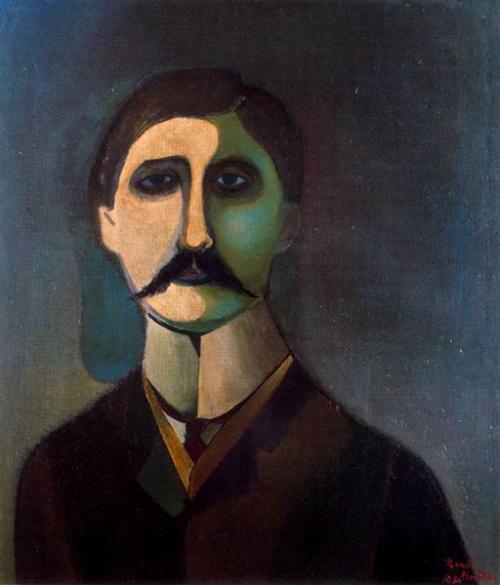
 Richibi's Weblog