November / Month of the Sonata – 23
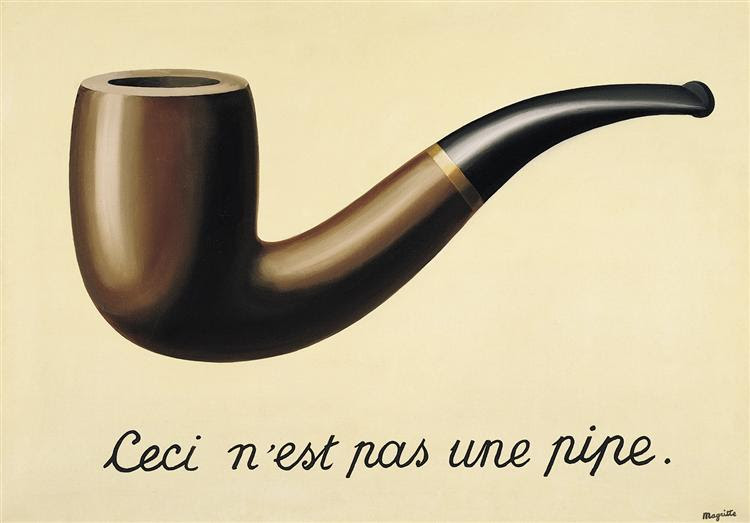.jpg!Large.jpg "The treachery of images (This is not a pipe), 1928 - 1929 - Rene Magritte")
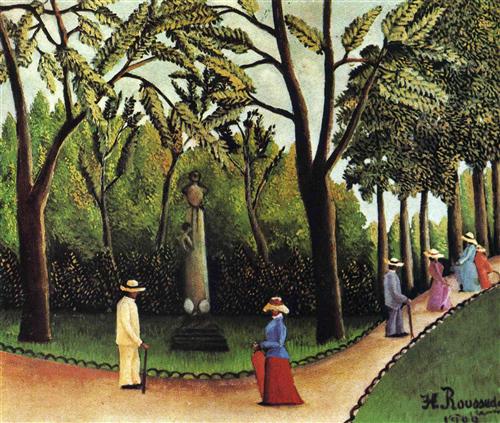
“The Monument to Chopin in the Luxembourg Gardens“ (1909)
__________
a short while ago, my sister touted,
virtually of course, an up-and-coming
pianist, from around the corner,
relatively, from where she lives
Charles Richard-Hamelin was born in
Lanaudière, Quebec, whereas she’s
been living in Montreal forever, apart
from a stint in Timmins, Ontario, where
we were both born, at least a generation
before Shania Twain put it on the map
I left in a hurry, she followed
somewhat less urgently, a condition
of an intermediary marriage, which
engendered a miracle, my single,
but extraordinary, nephew, though
not much else
at his website, Charles Richard-Hamelin
delivers a few examples of his talent, I
listened to a couple of his Chopins, was
especially impressed by their structure,
the way Chopin imbues strict Classical
conditions with melting, Romantic,
sentiment, the very ideal, in my
estimation, of poetry
you’ll note in the Polonaise he plays
the adherence to tonality, never a
melodic line out of place, a strict
tempo, not ever indulgent, or maudlin,
despite evident emotional appeals,
and the recurrence of the original
theme after an however intoxicating
digression, giving subsistence to an
otherwise flight of aimless airs, out
of any context
music gives coherence, order, to an
otherwise inchoate, inscrutable world,
Classical music represents the original
rhythm of the heartbeat – time, regularity,
logic, the possibility of understanding,
the foundation of our present Western
culture, for better, of course, or for
worse, if not, indeed, of our very
species – defrayed of language’s inherent
ambiguities, its malleability, elasticity,
the indeed outright potential for
duplicity it accords the spoken, or
written, word
music is not just entertainment, it is
a philosophy, Apollo’s most transparent
muse
Richard
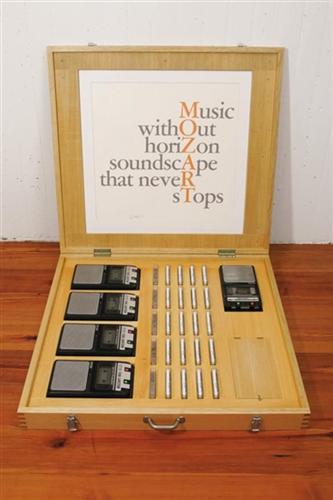
“Mozart Mix“ (1991)
_______
in a movie,“Victor Victoria”, that should’ve
gotten more Oscars than it finally did,
“Le Jazz Hot“ sizzles, Henry Mancini
received one for the music, Lesley Anne
Warren should’ve too for her incandescent
moll
lock the door, she says to Julie Andrews,
in an otherwise compromising moment,
a line one should never forget
in Julie Andrews’ category, who could’ve
taken it away from Meryl Streep for
“Sophie’s Choice”
but jazz here is a misnomer, jazz merely
dolls up in this number an otherwise
entirely Classical structure, the melody
is right out of Mozart, rigid rhythm,
unflinching tonality, and repetition after
repetition, you can sing along just as you
can for Mozart, try doing that with anyone
after him, try to hum along with real jazz
but I’ll entirely agree that this
whatever-it-is is hot, steaming
catch the astounding vocal glissando
at the very end, just before the final
whispered recitative, riveting
Richard
though Beethoven’s piano sonata no 4,
in E flat major, opus 7 has never been
one of my favourites, I’m finding this
particular rendering completely
enchanting
the opus 7 is, of course, early, when
you consider Beethoven reached into
the late 130s for his opuses, his opera,
not counting his, as bountiful, WoOs,
works without opus numbers
the sonata is steeped in Classical
conditions that are becoming ossified
at this point, about a decade after the
French Revolution, 1796 – 7, and that
have yet to be culturally overturned,
put to rest, you can hear it, you hear
the Classical form – formality, repetition,
congenial tonalities still – in the sonata,
brilliantly displayed by a composer
of ripe and rich imagination, but at
the service of structure rather than
the music itself, style over substance,
a student’s musical submission for a
composition exam
you’ll hear the repeat of the opening air
in the first movement more times than
you think is necessary, though the tune
be ever jaunty, never unpleasant, just
essentially trite, the second movement,
is a largo, a largo indeed, you’ll think,
about to fall asleep, even, at the wheel,
the later movements keep you
entertained in most interpretations,
not much, however, inspired, music to
pass the time, to check your watch by,
it needs what Beethoven will later
deliver in spades, miracles and
majesty, conviction
the opus 7 is long as well, nearly
interminable, I think, second only in
length to the sublime however
“Hammerklavier“, the 106, impudent
therefore, to my mind, if not outright
arrogant, in the mode of lesser artists,
Salieri, Clementi, for instance, who
never manage to transcend their,
however impressive, technical
expertise
but in this commanding account –
maybe I’ve grown into the piece, or
maybe the performance itself is more
inspired – Joel Schoenhals finds
something that’s had me listen for
hours and hours, rapt, mesmerized
Richard
psst: I needed this sonata for a course
I’m taking at Coursera, an Internet
learning site, on the Beethoven
piano sonatas, the opus 7 is the
first one we’re looking at, this
performance was the best one I
could find

 Richibi's Weblog