Just another WordPress.com weblog
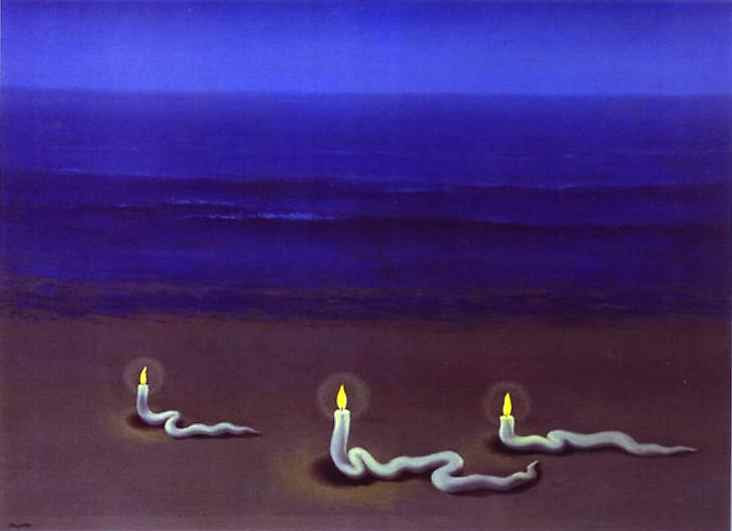.jpg "Meditation, 1936 - Rene Magritte")
_______
a story
while I volunteered at the palliative care
unit of our downtown hospital, a family
asked if I could monitor their mother
while they took time off for lunch
of course, I agreed
their mother lay unsettled on her hospital
bed, jittery, shaking, distressed, incoherent,
out of touch, in her own nether, dissociated
world, while the family, about ten of them,
had been chatting, seemingly oblivious to,
or unconcerned with, their mother’s flailing
they left
I sat by her side, placed a palm tenderly on
her quivering arm, to impart what calm I
could, to bring her warmth, care, attention,
and began to sing a mantra I’d learned at
an ashram I had been attending, weekly,
for months, after the death of my beloved,
in order to find solace, consolation, Om
Namah Shivaya, I chanted, gently, quietly,
over and over again
little by little, she settled, was becoming
calm
then, in a whisper, she began to join in,
Row, row, row your boat, she sang,
over and over again, along with my
own mantra, a duet of communication,
despite even the incongruity of the
tunes, we were meeting at an even
deeper, primordial level
something stirred behind me, I turned,
the family was standing in the doorway,
all held their breath, watching, as though
they were witnessing grace
I think they were
a mantra is a distillation of the three
pillars of Western music, tempo,
tonality, and repetition, what we sing
to children to lull them to sleep, that’s
what a mantra is
Row, row, row your boat indeed
the history of music in the West is
the disintegration of those norms,
for better or for worse
Bach, no accompaniment, no piano,
tail end of the Renaissance, when art
was directed by the Christian Church,
Bach was in fact cantor, music director,
of several churches in Leipzig
it took Mozart to kickstart the Classical
Era in the West, the purview, now, of
the aristocracy, a process that started
that he commissioned for Versailles,
leaving the Church behind in a
secularizing world
with Bach, tempo, tonality and repetition,
set the uncorrupted standard for the
ensuing ages, Bach is the next best
thing, to my mind, to meditation
R ! chard
__________
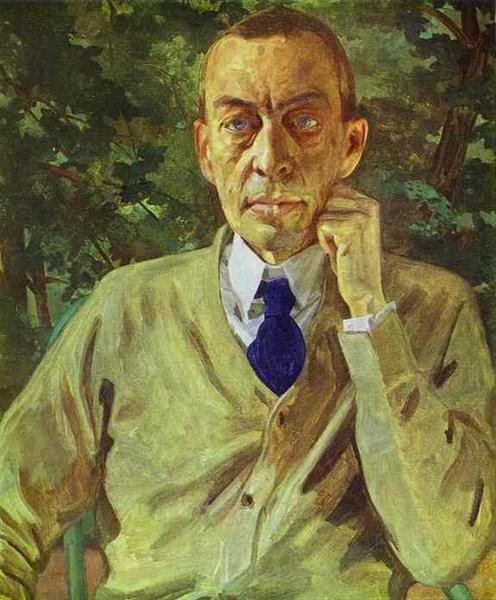
Rachmaninov, late Romantic, early
Impressionist, yanked, despite his
modern bent, Romanticism, solidly,
into the Twentieth Century, we
heard him in movies, and
consequently on TV, back then, on
long-play albums, 78s at the time,
that were flooding the market, first
movement on the one side, the next
two on the other, that’s how we used
to listen
later, we’d hear Sergeant Pepper’s
Lonely Heart’s Club Band doing the
same, in the late ’60s, before discs
Rachmaninov doesn’t sound like
Chopin, Beethoven, Schubert, but
you can hear their roots, their blood
running through his compositions
Opus 36, he elaborates, a sure sign
of Impressionism, intellectual rather
than emotional appeal, something
had become tiresome after half a
century of Romantic dramatization,
take
the culture was returning to objective,
rather than emotional, Charles Dickens,
Victor Hugo, and the like, bleeding-heart,
considerations, and seeking out more
rational answers to our psychological
stresses, consequently Freud, music
had to keep up
later, I’ll tell you a story about how
music changes the world
R ! chard

___________
today is Remembrance Day, at least in the
West, my father was in the war, the Second
World War, survived, manifestly, I was born
in ’49
my sister, who died a few years ago, said,
during her long, painful ordeal, that if
soldiers could endure on the battlefield,
she could do the same, and never
complained
these are my remembrances
here’s, meanwhile, Sergei Prokofiev’s
middle of three war sonatas he composed,
if to be represented in art history, I’d
associate it with Expressionism, see
above, abiding, essentially, within
each their particular artistic
conventions, in music, tonality,
tempo and repetition, in art, colour,
perspective, form, though wreaking
havoc, each, within, either, their
assigned parameters
listen, be inspired
in commemoration, and wonder
R ! chard
_______
at the end of the Nineteenth Century, a
a seismic shift occurred in our Western
culture’s sensitivity to art
much as visual representation during
the Renaissance and up until the late
Baroque Period had dominated, to
be replaced by music during the
Classical Age as the sensory
temperature of the times, visual
representation once again took over
as arbiter of Western sensibility
during Impressionism
you’ll remember the artists of the
Renaissance, but not many of the
composers, you’ll be able to name
the composers of the Classical Age
and the Romantic, but not many, if
any, of the painters, you’ll then
immediately toss off a list of artists
of the Impressionist Era, but not
many of its composers
this lasts till, I’d say, Andy Warhol,
when the visual arts still held sway,
but the present is, it seems, up for
grabs
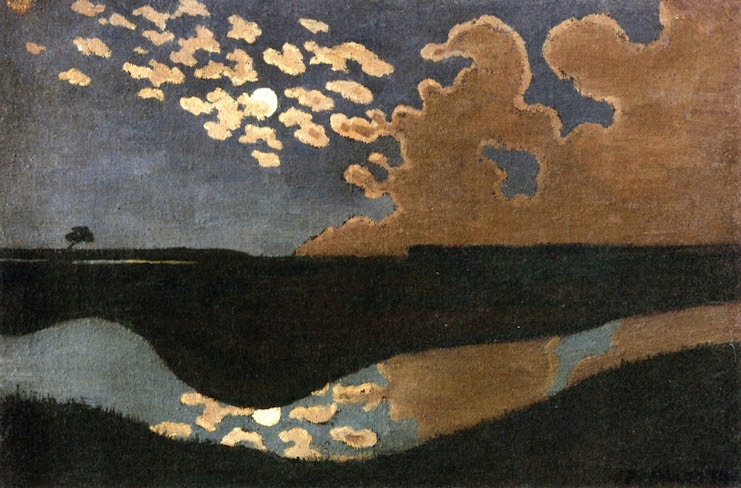
here’s meanwhile, an Impressionist,
an obvious Impressionist statement,
to be compared, incidentally, with
its Romantic counterpart, Beethoven’s
enjoy
R ! chard

______
at the end of the Romantic Period, 1886, and
encroaching on the upcoming Impressionistic
A major, a musical glimpse into a new age,
this is not Chopin, not Beethoven, not
Schubert, despite obvious, if you’re
listening, homages, references
you’ll note the atonality, musical progressions
that seem askew, eccentric, not as harmonious
as those earlier composers, like a neurosis
taking over
tempo, a second essential element of music
in the West, however changeable might it be,
even within the individual movements, is
recognizable
repetition, the third pillar of Western music
is keeping us on track, bringing us back to
the original statement, to the air each
movement presents at their several
introductions
Frank’s sonata was so appreciated by an
accomplished cellist friend, Jules Delsart,
that he asked if he would transcribe it for
stalwart on the cello circuit
compare, an exercise in sharpening your
aesthetic pencil, try it, enjoy
R ! chard
______
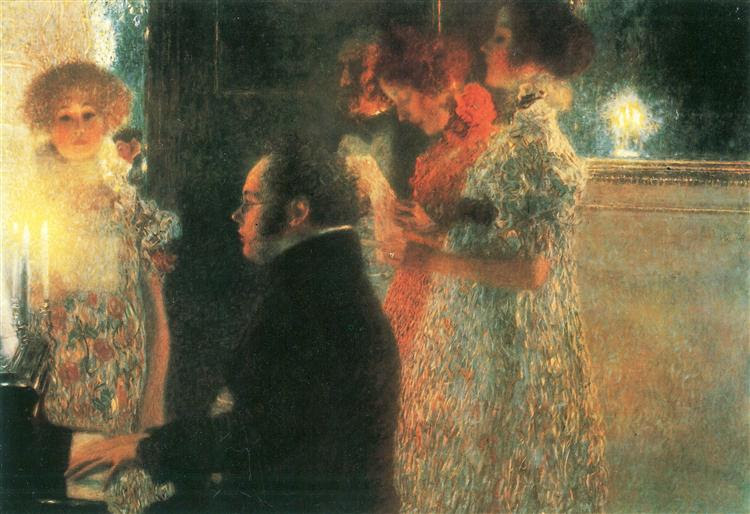
before going any further, it’s about time
I brought up Schubert, had he survived,
he might, I think, however conservatively,
have rivalled Beethoven
he died at the age of 31, of a sexually
transmitted disease, I believe the reason
for his relative obscurity
but he is titanic
listen to one only here of his sublime piano
though one mustn’t discount his other
transcendental masterpieces, his D956,
characteristically, transcendental,
you’ll leave the planet, I promise
enjoy
R ! chard
_____________
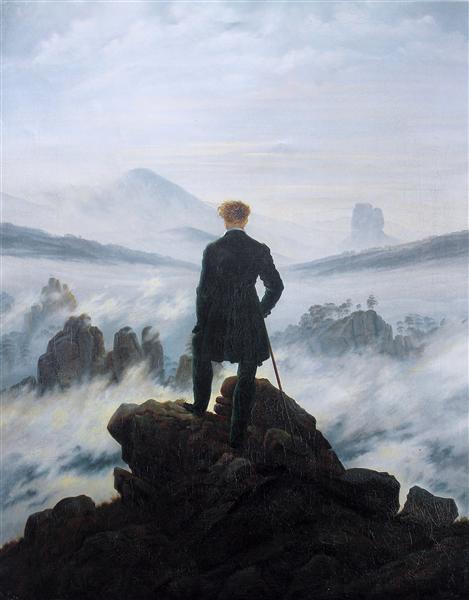
meanwhile, back at sonatas for one
instrument, it’s about time I brought
up Chopin, the one composer that
everyone associates before anyone
else with Romanticism, 1800, say,
till about 1880, he incorporates it,
not without reason, Chopin
personifies the Romantic Era, like
Mozart represents the Classical
others who count would be Elizabeth
Barrett Browning, her “Sonnets from
“Les Misérables”, and Charles Dickens
preaching, in all his works, humanity
Chopin sounds a lot like Beethoven,
indeed, the first notes of his Second
are a reference to Beethoven’s
you’ll hear the same peremptory,
commanding, chord, demanding
attention, the rest is consummate,
however, Chopin
in the last movement, you’ll specifically
hear what Chopin brought to the table,
texture, soundscape, rather than a
narrative line, music as background,
atmosphere, context
enjoy
R ! chard
_________
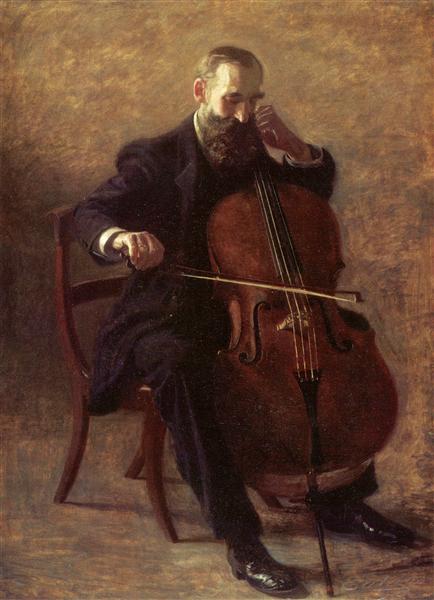
if there could be violin sonatas, there
could be sonatas for, also, other
instruments
here’s one for cello, Beethoven’s utterly
note that the structure of the sonata is
being challenged, two movements only,
though the first has two sections that
are linked without pause, the aim is to
connect the musical information, the
work becomes a narrative, not a
collection of disparate pieces
Beethoven is telling a story, speaking
in notes, listen, it’s revelatory
I wish you ears
R ! chard
_________
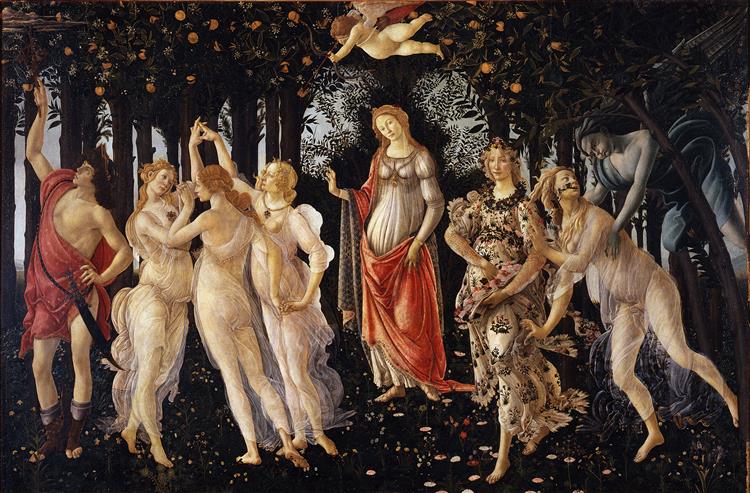
here’s a violin sonata from Beethoven,
nicknamed “Spring“, it is ebullient
Beethoven is more forthright than
Mozart, he’s passionate, wears his
heart on his sleeve, is tender, then
rambunctious, you’ll hear it in the
extremes of volume, loud, soft,
often with spontaneous outbursts,
it’s like talking to a friend, the
appeal is emotional, personal,
where Mozart was earlier decorative,
it’s the Romantic Era taking over
from the Classical
you’ll notice also that Beethoven is
chipping away at the conventions,
there are four movements here
instead of just three, he’s saying
that his stuff is not just decorative
but important, Beethoven has
something to say, he’s got a story
to tell, there’s even a narrative feel
to his composition, like there’s a
conclusion to his story, a point
we’ve moved from a variety of
artefacts, disparate pieces, to a
cohesive and meaningful entity
the sonata is a trinity, three
essences in one
R ! chard
____
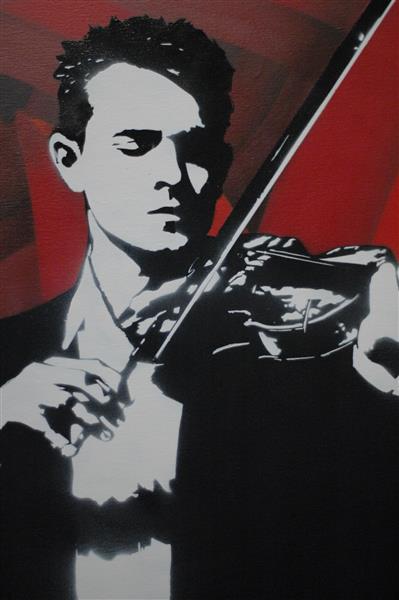
it must be pointed out that sonatas could be
written for other instruments than keyboard,
but since any other instrument could play
just one note at a time, it became the custom
to make a keyboard instrument, which is to
say, essentially, the piano, its accompaniment
therefore, you’ll find that sonatas can be
comprised of more than just one instrument,
more about which later
don’t be confused, the history of music
is one of contradictions, as it is with, for
that matter, any representation of reality
including, incidentally, religion, art’s
historical ancestor, before the modern
world took over, before the advent of
democracy, the French and American
Revolutions, before our secular
21st Century, when artists took over
from preachers, where we started
getting our gospel from literature,
rather, movies, television, concerts,
instead of the Bible, for better or
for worse
here’s, meanwhile, Mozart’s Violin Sonata
telling it like it was, back then, starting
the process
R ! chard

 Richibi's Weblog