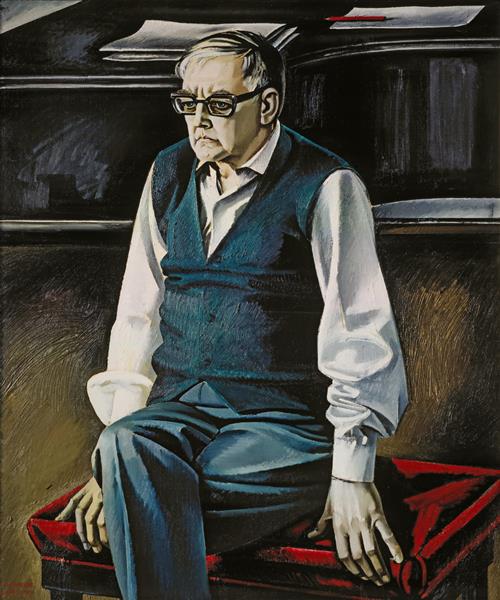
sonatas, continued (String Quartet No. 15 in E-flat minor, Opus 144 – Shostakovich)
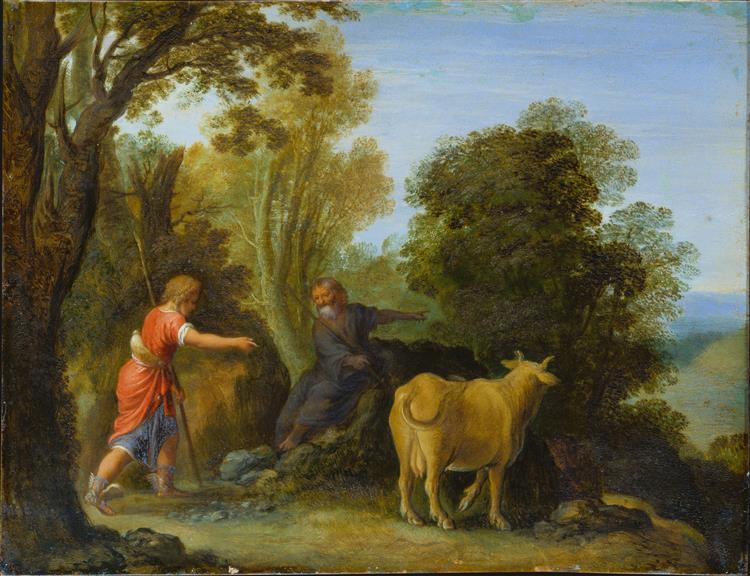
As once attentive to his pipe he play’d,
The crafty Hermes from the God convey’d
A drove, that sep’rate from their fellows stray’d.

______
finding it difficult lately to endure the
late winter, early spring, besetting
our, however, not unbearable yet,
unpleasant meteorological conditions,
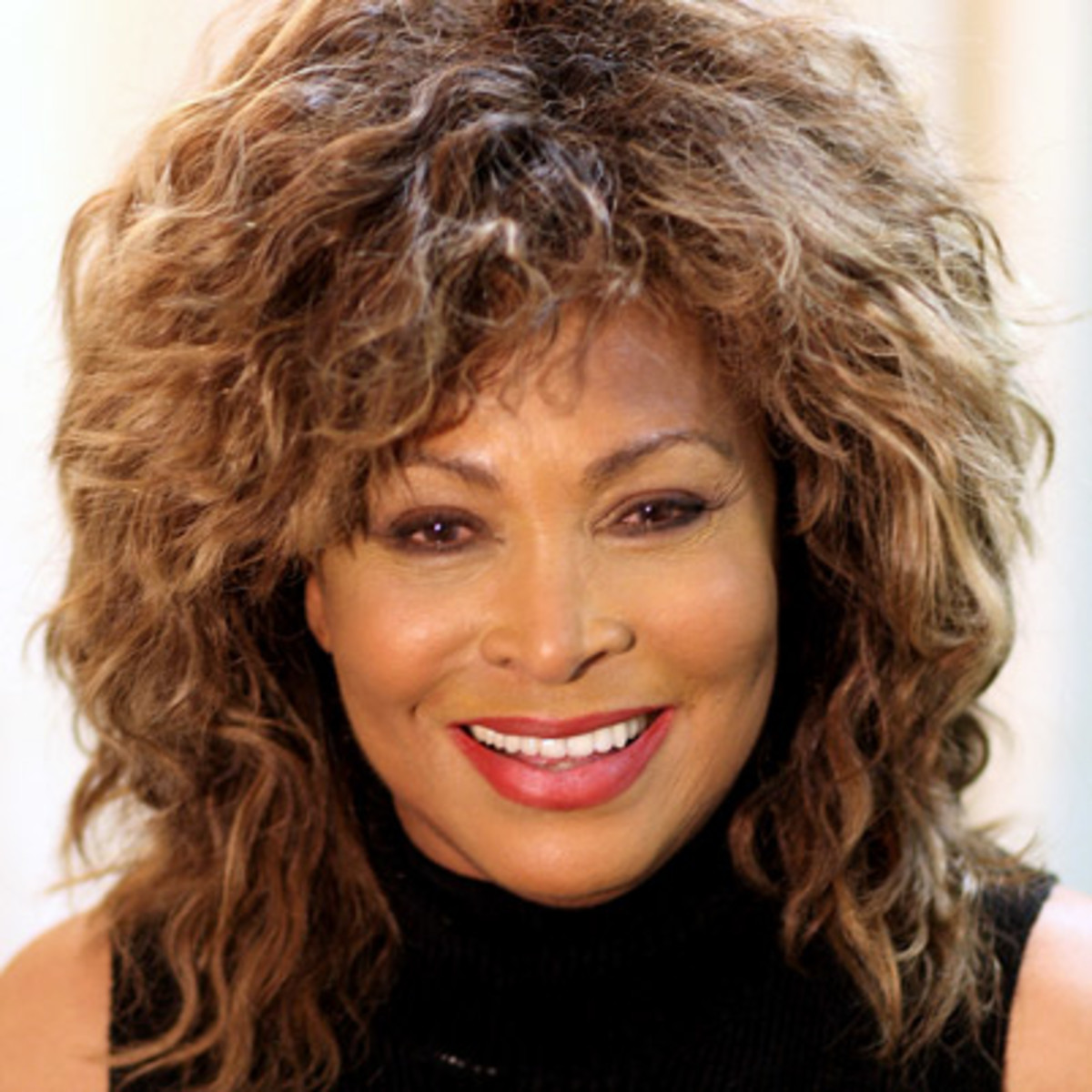
Tina Turner picked it up for me with
her irresistible rendition around her
perspective about such intemperate
weather, tightly wound, in my
instance, with emotionally resonant
considerations
call me Tina, I cried, and burst into
earnest collaboration, ever so, as
much as possible, mellifluously
won’t you too, haven’t you, for that
matter, already, join, joined in
R ! chard
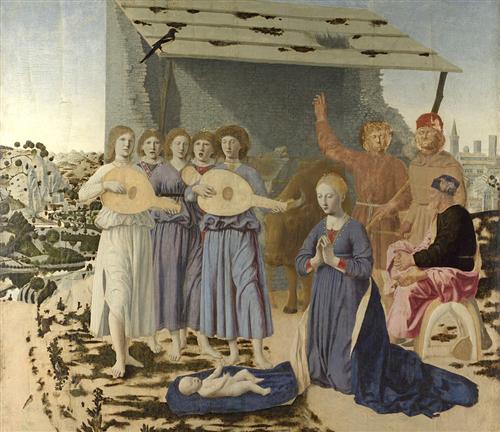
“Nativity“ (1470-1475)
________
what’s the difference, I too wondered,
between an oratorio and a cantata, an
oratorio is longer, but otherwise not
much else
then again, this oratorio, of Camille
Saint-Saëns, is only about forty
minutes long, so go figure
enjoy
and merry C***mas
R ! chard
psst: here’s Bach’s
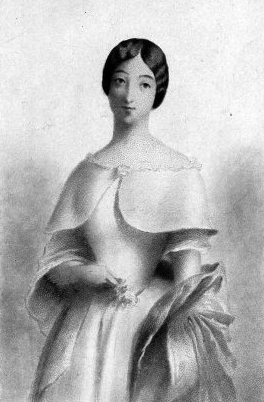
Charles Chaplin (1825 – 1891)
_________
this version of “La traviata“ has no
subtitles, but it should be remembered
that only a few years ago none of them
had, not even in opera houses
I learned to love “La traviata“ on CD,
couldn’t either see the performance
then, now the internet supplies us,
gratis, with complete operas, from
very Gluck‘s to very Philip Glass‘
with the text translated throughout
a synopsis
Violetta is a courtesan, a traviata, a
fallen woman, who’s fallen all the way
to the top of Parisian society, she has
just recovered from a malaise and is
hosting a celebration, her salon
entertains many who’ve been
instrumental in securing her not
unsullied reputation, it is the world
of Marcel Proust
a new suitor arrives, Alfredo Germont,
who pledges his love undying, she is
eventually seduced, by his, no doubt,
impressive arias, croce e delizia, he
sings, she counters, agony and
ecstasy, indeed
the ups and downs of love ensue,
Germont’s father objects to the match,
claiming Alfredo’s sister’s chances
at marriage would falter should her
name, their name, be defiled, he
convinces Violetta to leave Alfredo
for the sake of his family, whereupon
everyone feels betrayed
Alfredo, Alfredo, she cries, di questo
core non puoi comprendere tutto
l’amore, Alfredo, Alfredo, you cannot
understand fully the love I have in
my heart, she moans, begrudges
but love conquers all in the end,
though not life, as it turns out, Violetta
succumbs to her malaise, which had
all along been consumption,
tuberculosis nowadays
you’ll see Spanish dancers, gypsies,
they are part of Violetta’s entertainment,
have nothing to do with the story,
otherwise the music itself tells all
the camellia, note, which you’ll see
highlighted here and there, is a
reference to Violetta’s inspiration,
the novel by Alexandre Dumas, fils,
or junior, his “La Dame aux camélias“,
which the same author shortly
thereafter made into an equally
successful play, “Camille” in English,
the lady of the camellias, incidentally,
Renée Fleming has taken over the role,
from Maria Callas in the Fifties, then
from Joan Sutherland in the Eighties,
she is the traviata for this generation
she is perfect, her arpeggios will
shoot up your spine
Richard

not much is heard from Spain during
Western music’s Golden Ages, Baroque,
Classical, Romantic, Impressionist,
now even Pop’s, Rock’s, Punk’s, Rap’s,
Post-, in all their incarnations, Modern’s

Mary writes
“Hello friends,
I’m backpacking around Bali for a month on my own and am blogging about it. I didn’t think I would be back in Asia just 2 months after returning from Cambodia but here I am!
If you are interested in reading about my trip, which is being posted in The Province Newspaper online, here it is;
http://blogs.theprovince.com/author/travellingmom1951/
Cheers!
Mary
Sent from my iPad”
Mary and I met about 40 years ago, when
Mary, Gary and I happened upon each
other, each on our own individual
missions, of exploring the German city
of Mainz, a length of it along the Rhine,
up front from the riverside hotel where
our crews stayed, we hadn’t known
each other before then
the sun was out, we were young, others
with us preferred to go have breakfast,
we opted for a cruise up the river
we got to Rüdesheim and Bingen, one
across the water from the other, we had
dinner in one, celebrated Oktoberfest
in the other, sitting across from three
older ladies who couldn’t speak a word
of English so we had to make do with
my meagre then German and singing
along with the other beer drinkers in
the full and boisterous hall
what an event
the ladies ended up walking us to our
last train home, all of us soulfully
singing “Happy Birthday to You”,
cause that’s all the ladies knew how
to sing in English
later we partied in the lounge on the top
floor of our hotel, the three of us dancing
up a storm on an otherwise quiet evening,
keeping the band alive, we were intrepid
and joyous, playing duly in the fields of
a not unapproving Lord
the next day our flight was delayed,
three hours, surely only through the
intercession of that same benevolent
heaven
Mary has done, and is now continuing,
an exploration of Southeast Asia,
remarkably, on her own, first Cambodia,
now Bali, read all about it in her blog,
it’s riveting, you’ll want to be also 63,
already or all over again
her blog is wonderful for even just its
pictures, bright, sun-filled, glorious, but
she writes also like a trooper, you’ll be
completely enthralled, inspired
bookmark her site, she’s got a lot more
coming, to be dooby sure
Richard
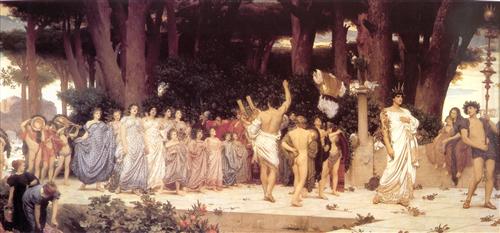
“The Daphnephoria“ (c. 1875)
________________
odes, with their suggestion of music
– despite a history of merely words
spoken in the intervening interim,
counting on meaning and rhythm
without music’s attendant tonality –
go back to the Greeks, the Seventh
Century, BCE, Sappho, for instance,
one of history’s most honoured
women poets, surely quite an
achievement for her in an age of
predominant, indeed
disenfranchising, masculinity
the ode was meant to accompany
tributes to people, events, things,
thereby acquiring an element of
acclamation and praise within its
dimensions, Pindar, ca 552 – 442
BCE, wrote odes for heroes of the
original Greek Olympics, for
instance
by the time of Horace, 65 – 8 BCE,
odes had become stylized,
independent of music, here’s one,
not inappropriately in this season’s
vernal context, to spring
odes remained spoken throughout
their resurrection in the wake of the
rediscovery of the Ancient World
during the Renaissance, onwards
through some famous Romantic
ones, Shelley, for instance, Keats,
up to even this one, by Stanislaw
Barańczak, which I found in the
New Yorker, April 20th, a gem, I
think, and in the very spirit of our
Age of Irony
O plywood, second best to the real stuff,
believe me, one day I will say “Enough”
to my stooping shoulders, my slouched spine;
my sloped shape and your stiff boards will align,
and you’ll see how my backbone will unbend
and I’ll be standing straight until the end
of my makeshift but rectilinear
prayer, one stiff-backed as a chest of drawers
when we shove heavy furniture around;
I will rise from the dead, though on what ground
and which I, I don’t know; I’ll stand erect,
though my vertebrae’s hierarchic sect
won’t outlive plywood, no, it just can’t win
against that vertical eternity, so thin
and yet so sturdy in its ersatz pride;
as if the moon had shown me its dark side,
I lean, my ear glued to a cupboard’s back,
and I can hear its hollow and exact
hymn to its own cheap immortality;
no, wait, I still can straighten, still can be
square with this upright world (you knew I could),
just as plumb as four planks of real wood.
(Translated, from the Polish,
by Clare Cavanagh and the author.)
__________
though you mightn’t’ve caught an “Ode”
in the title, the clue to its essence is in
the initial “O”, an acclamation
and yes, “O, Canada” is therefore also
an ode, as would be most anthems
incidentally Beethoven put the music
back into the form with his incendiary
use of Schiller’s poem for his vocal
triumph in his ninth Symphony, “An
die Freude“, the “Ode to Joy“,
incomparable in this rendering for
an improbable 10,000, yes 10,000, just
click
Richard
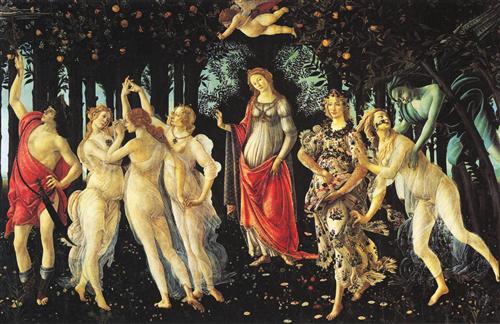
“Primavera“ (1478)
_________
if there’s a musical work to perform for
spring what Botticelli‘s “Primavera“
does with painting, celebrate it, that is,
for the ages, it must be Beethoven’s
“Pastorale”, German for “Pastoral”,
Symphony, usually referred to thus,
with the accent on the last “a”
the composition is expressly narrative,
Beethoven even sets the scene for every
movement, five of them
1 Awakening of cheerful feelings upon arrival in the countryside
2 Scene by the brook
3 Merry gathering of country folk
4 Thunderstorm
5 Shepherd’s song; cheerful and thankful feelings after the storm
he is manifestly using music as language,
descriptive language, you can nearly hear
the flowers grow, you can most definitely
imagine them, you bristle at the crack of
thunder
the subject isn’t specifically spring, but
the spirit is undeniably so, the spring of,
indeed also, the spirit, the buoyancy of
youth
it’s 1808, Beethoven is at the height of
his euphoria, his admiration, and
celebration, of physical nature, he’s
sowing his wild oats
later he’ll address the metaphysical,
but for now he’s still bursting with
unmitigated life, his spring
Richard
psst: see also his “Spring” Sonata, opus 24,
for still more, though less familiar,
vernal, purportedly, magic, Beethoven
didn’t name the sonata, his publisher
did, which is why the “Pastorale”
Symphony sounds more springlike
than this other more direct, apparently,
offering
which had never been there, essentially,
Beethoven’s primary, anyway, intention,
however lovely the eponymous, the
titular, work might have in comparison
proven to be
you be the judge, listen
R
 Richibi's Weblog