Richibi’s Weblog

Just another WordPress.com weblog

Category: finding miracles

Freedom

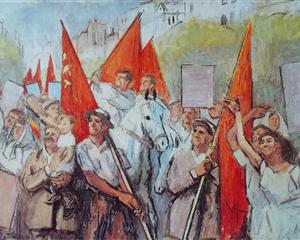
Alexandru Ciucurencu - "May Day in Freedom" (1958)

May Day in Freedom (1958)

Alexandru Ciucurencu

__________

two events took place after the fall
of the Berlin Wall, which have
remained cultural landmarks since,
nothing much comes close to their
historical significance, music to
declare a new world order

on December 25, 1989, Leonard
Bernstein conducts Beethoven’s
Ninth Symphony at the
Schauspielhaus in the former
East Berlin, it is remembered as
the “Freedom Concert” for having
replaced the word “Joy” in
Schiller’s poem during the “Ode
to Joy”,
the vocal novelty of the
Ninth, also its triumph, with the
word “Freedom”, a whim of the
conductor, not inappropriately

on July 21, 1990, Roger Waters
puts on The Wall“, Pink Floyd’s
20th-Century counterpart for the
Beethoven, the clarion call to do
away with barriers, fences, it’s
hard to dismiss its prescience
when the piece had been written
eight years earlier, seven years
before the fall of the Wall, as
though Pink Floyd had been
prophetic

like Beethoven had been, not
at all coincidentally here
, in
his own day

both concerts are beyond
description, extraordinary

just click

watch for unexpected guest
appearances in either of,
everywhere, the very highest
quality

Richard


a February poem‏

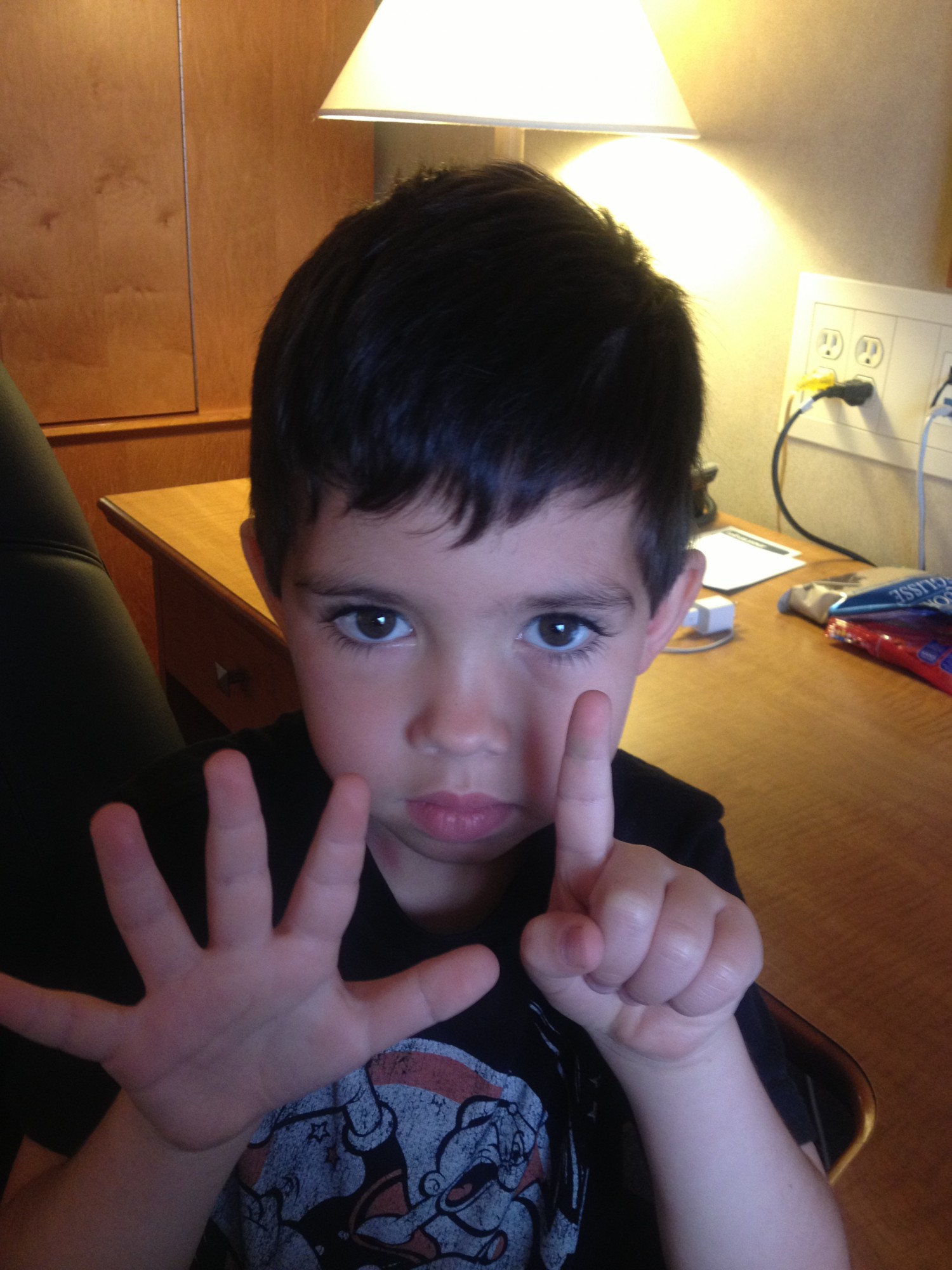
Aidan wants 6 Power Rangers (November, 2014)

Aidan wants 6 Power Rangers (November, 2014)

____________

February 15, 1959, John is born,
August 25, 1989, John dies, I
think it is the end, but somehow
I survive

February 15, 2010, Aidan is born,
my partner’s grandson, John has
returned, I surmise, giving me
manifest reason to have
remained alive

____________

we’re going to Buenos Aires for a
month next C***mas

plus my mom

I’ll keep you posted

Richard

February, 2015

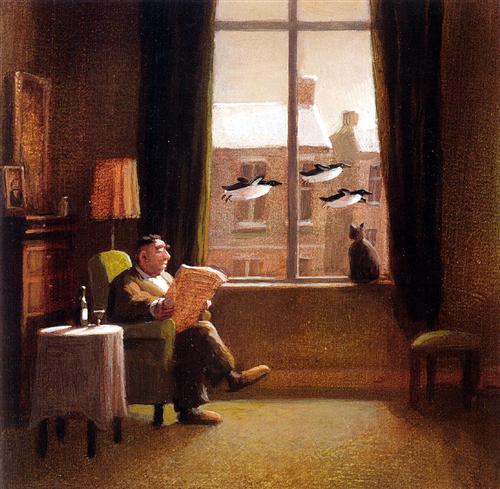
 "February" - Michael Sowa

February

Michael Sowa

_______

rather than a pictorial representation of
February, more snow over a picturesque
village, February in February is a
February of the mind, the mood, the
cocoon, the armchair, the paper, the cat
at the window watching penguins fly

or, extrapolating, watching pigs fly,
maybe

happy February

Richard

January, internationally revisited‏

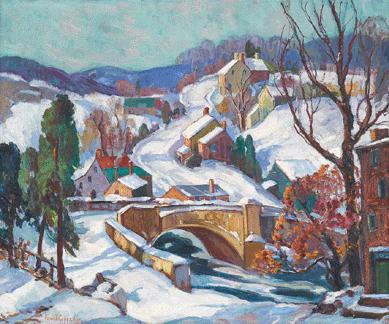
 Fern Coppedge - "January Sunshine"

January Sunshine

Fern Coppedge

________

friends have written

From: Penticton, B.C., Canada
Subject: Re: “January Sunshine” – Fern Coppedge
Sent: January-23-15 6:00:48 PM
To: me

Wood in the fireplace + scent of bread baking and casserole with onions, garlic, various vegetables, pie in the oven, reading a psychological thriller and wearing comfortable warm clothes. Cocooning…

Thank you for the picture

Have a very pleasant weekend

XX

Dorothy

From: Australia
Subject: Re: “January Sunshine” – Fern Coppedge
Date: January-23-15 6:08:41 PM
To: me

Thanks for this Richard
Now our January at the other side of the world is totally opposite. We have beaches to lie on, fires to fight, koalas to save, frackers to stop, flocks of birds to welcome home, festivals to dance in and the majesty of knowing that to live in this land is an unsurpassable gift.

I believe Canada is as wonderful but with a cooler outlook.

From: Greece
Subject: Re: “January Sunshine” – Fern Coppedge
Date: Sat, 24 Jan 2015 19:20:08 +0200
To: me

Actually this is very much like home for me. My new home that is. This is what my village sort of looked like about a month ago when we had a huge snow fall. The snow has slowly been melting since then and bits of red crumpled Marlboro cigarette packets and now yellowish Amstel cans are appearing. I wait for spring so they can be covered again this time in green.
Thanks again Richard.

Sent from my iPad

_______________

here from my picture window the
mountains are shrouded in cloud,
the rain, adamant yet gentle, has
been relentless the past few days,
though the clement temperature
has risen to a balmy 12, a weather
front wafting in from Hawaii

under my paisley umbrella soon
I’ll be off to read Shakespeare with
a friend, to add poetry to an
otherwise grey day, with only the
glow yet of cherry blossoms, like
radiant little rosy souls, prefiguring,
on the limbering branches of still
skeletal trees, the advent of an
already resurgent spring

Richard

psst: but what is January in the great
scheme of things, in the universe,
but an anthropomorphous
poeticization of, however
significant, a localized merely,
and only incidental there even,
condition, however global

January is, in other words, one’s
particular potential, I gather, for
poetry, what you make of it

which should apply, theoretically
of course, to everything

if you’ll allow me the extrapolation

songs of some birds‏


untitled-1939-1.jpg!BlogPablo Picasso - "Untitled" (1939)

Untitled (1939)

Pablo Picasso

_________

having wondered only recently about
bird song, whale song
, can these be
considered singing when they are
essentially language, we think, and
not codified, technically constricted,
I see pertinently appear a study
suggesting birds follow a pentatonic
scale, our own musical basis,
harmonics between birds and
humans are apparently identical

this suggests that harmonics in
nature are as fundamental as
mathematics, we have somehow,
humans, diverged from what we
think of as singing, left rhythm
and tonality from our conversation
to produce uninflected prose and
monotony, language at the level
of atonal, arhythmic expression,
for better or for worse, corruption,
or refinement, evolution

I wonder, again, if prose is not
bad poetry, or has poetry evolved
into prose

should we feel shame or ingenuity,
do birds have their own divergent
degrees of poetry, do some, most
maybe, veer also towards the less
exacting prose

do some birds not sing, in other
words, or only sometimes maybe,
when mating, for instance,
something like how we croon
when we’re dating, put on our
very best airs

Richard

the Tonys, 1976, ’77‏

the Tony Award Medallion

the Tony Award Medallion

___________

the Tonys have become for me what
the Rubinstein Competition was
last
spring, or was it summer, an addiction

in ’76 “A Chorus Line” essentially won
everything
, the closest thing to it was
“Chicago”, which, if I remember, got
nothing, undeservedly, but how do
you top a titan, A Chorus Line has
never been bested, you came out
dancing

it’s ’77 though, now, and Lily Tomlin
gets a special Tony
for a show that
couldn’t be called either a play or a
musical, Appearing Nitely was a
revelation

watch Lily Tomlin receive her award,
you’ll see what I mean

just click

Richard

the Tonys‏

the Tony Award Medallion

the Tony Award Medallion

______________

this is why I love the Tonys

this is why I love Broadway

this is why I love New York

just click

Richard

Tchaikowsky piano concerto no 1 in B flat minor, opus 23‏

the piano concerto no 3 of Rachmaninoff was written in 1909,
a hundred years after Beethoven’s piano concerto no 5, the
“Emperor”
, 1811, to the attentive ear the intervening years
are present in the evolution of the music

the most evident structural alteration, sensed now rather
than consciously heard, though this change would’ve been
glaring during that period, is the often elastic rhythm, the
hesitation, the reserve, the recapitulation of forces before
a surging onslaught, before a turbulent apotheosis, as a
movement returns to its fundamental tempo

the beat ever essentially reigns

this will change

let me point out here that this rallentando wouldn’t’ve been
even conceivable before the invention of the piano, which
happened around the time of Mozart, the harpsichord before
that couldn’t do that, it was confined, you might say, to
only rallentandon’ts, the harpsichord didn’t provide the
possibility of resounding a note, neither of moderating of
course its volume, which the piano, by very definition, did,
“piano” means “soft”, “pianoforte” “soft loud”, the very
foundational elements of the instrument, the elaboration
of beat would thus perforce henceforward play a major role

between Rachmaninoff and Beethoven, these two pillars of
our musical Trinity, there is the mighty, the third supreme
immortal, Tchaikowsky, a Late Romantic, of all composers
perhaps to us the most familiar, his piano concerto no 1 in
B flat minor, opus 23, written in 1875, is the concerto most
associated with my generation, Van Cliburn was a rock star
then, after winning the Tchaikowsky Piano Competition in
Moscow, 1958, an achievement of the very highest order
for an American in that historical context

and his performance of it was spectacular

the most salient aspect of Tchaikowsky‘s music to my mind
is the charged dramatics, which is not surprising when you
consider that he wrote the music for “The Nutcracker”,
“Swan Lake”, musical story-telling, you’ll note he evokes
this dramatic tension by sustaining, withholding, then
unleashing the beat before a storm of prestidigitatori

Tchaikowsky tells grandiose stories, Rachmaninoff opens
an anguished heart, Beethoven speaks with God, they are
our foundational musical poets, our sonic oracles

the formidable Emil Gilels, 1916 – 1985, plays Tchaikowsky,
he is electric, he is epic, he is extraordinary

Alfred Wallenstein conducts

Richard
Beethoven: piano concerto no 5, in E flat major, opus 73‏

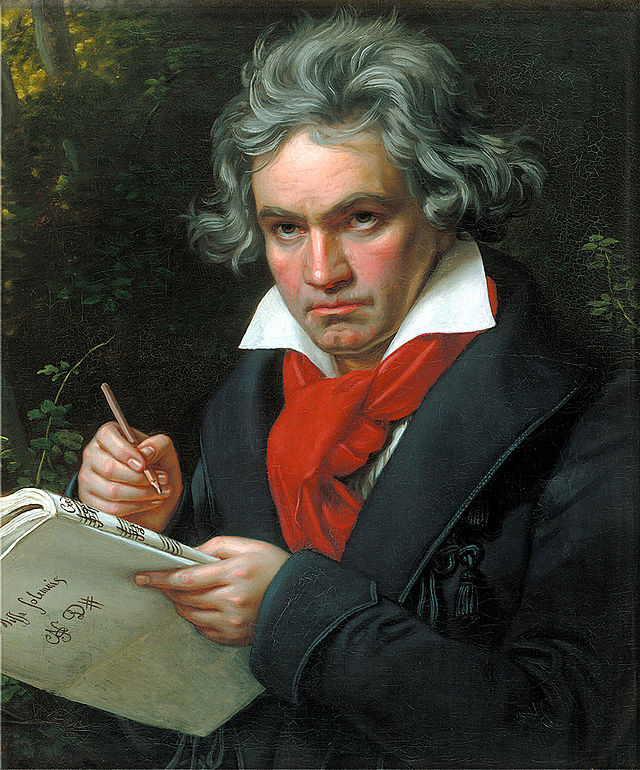
"Beethoven" - Joseph Karl Stieler

A portrait of Ludwig van Beethoven (1820)

Joseph Karl Stieler

_____________

you might say a triumvirate of piano concertos dominate
our Western musical culture, a veritable trinity of pianistic
masterworks that tower over, and have ruled, our musical
consciousness throughout the modern epoch, the
Rachmaninoff 3 has been one of them, but the 5th of
Beethove
n is surely the granddaddy, the “Guppa” as a
favourite grandchild I know would say, the Olympian
Zeus, the Christian God the Father, of them all, in majesty
and authority, others quake in its overwhelming aura, it is
the sun to all the other stars

Glenn Gould is the standard still by which it should be
played, none yet, to my mind, has surpassed him

Karel Ancerl conducts the Toronto Symphony Orchestra,
a competent orchestration, overshadowed inevitably by
this prodigy, who nevertheless doesn’t ever flaunt his
finger play but remains faithful throughout to the
dictates, the tonal balances, of the music, it is 1972

I had mentioned “variations in volume, tempo, tonality,
the play of harmonization and discords” in Rachmaninoff
,
note the strict adherence to tempo here, even the fastest
runs of notes are grounded in beat, more solid, less elusive
than the iridescent Rachmaninoffian allusions to Debussy,
you could set a metronome to the appropriate tempo of
each individual movement in Beethoven, it would remain
constant, apart from a few restrained ritardandos near
the end of some musical elaborations, until its very final
apotheosis, beat was ever an anchor for the fulgurating
Beethoven, an article of faith from which he strayed only
with great circumspection

note the language is not emotional, passionate and ardent,
but philosophical, metaphysical, Beethoven is confronting
cosmological considerations, existential realities, not the
more emotional concerns that confound us every day, it’s
God he’s talking to, eternity, not the incarnate tendrils
of the moment, not the poignant stuff even of soon
through Schubert a Chopin, Beethoven was at the start
of that Romantic Movement, indeed its very first
proponent, but not quite ready to wear his heart itself
on his sleeve, but a more spiritual, probing reason, whose
ardent metaphysical ratiocinations would set all the others
on fire, setting the stage for all the other stars

later, if you haven’t guessed what it’ll be already, I’ll
supply you with the third concerto, the Holy Ghost, of
the trinity, the Apollo, god of music and the sun, among
our concert greats

Richard

Rachmaninoff: Piano Concerto no 3, in D minor, opus 30

fully 150 years after Mozart the concerto was still a thriving
musical form though it had undergone some modifications,
you’ll hear a more passionate account in Rachmaninoff than
the more lyrical, less emotionally overt compositions of
Mozart, the variations in volume, tempo, tonality, the play
of harmonization and discords, all incidentally within a single
movement, show the passage of time, of Beethoven, of Chopin,
of Debussy between Mozart and the more Romantic, Impressionistic
Rachmaninoff, note the sweeping ritardandos, where the beat is
drawn out, stretched for pathos, a Chopinesque insinuation into
music not found in earlier stuff, one imagines torrid expressions
of fervent sentiment, note the evanescent flurry of notes passing
by like the fleeting glitter of stars, the ephemerality of an
incorporeal idea that Debussy originated and brought to music,
and of course note the irrepressibility, the authority, the masculinity
of a volcanic Beethoven underpinning the lot, you can hear them all

the Vladimir Horowitz Piano Concerto no 3 of Rachmaninoff at
Carnegie Hall, January 8, 1978, with Eugene Ormandy leading the
New York Philharmonic Orchestra is, after Van Cliburn’s historic
1950s account, May 19, 1958, again at Carnegie Hall but under Kiril
Kondrashin this time, and the now defunct Symphony of the Air,
don’t ask, the one I then grew up with, it was riveting even without
the pictures

with pictures here he is again a few months later at Avery Fisher
Hall in New York, September 24, 1978, under Zubin Mehta with
again the New York Philharmonic, so good you’ll even forgive
Mehta his usual sentimental excesses

incidentally Horowitz was 74 at this concert, he is astounding

Vladimir Horowitz, colossus and legend, 1903 -1989

enjoy, be transported, be transfixed, you have been warned

Richard