“Ebben? Ne andrò lontana” – Alfredo Catalani


a few nights ago the moon was full,
I’d gone up to the roof, one floor up
from my apartment, to the deck there,
complete with pool, barbecue area,
lounge chairs, there was no one, just
me, it was one o’clock in the morning,
my witching hour


for my sister
a competition program that pits
youngsters against each other,
but on a variety of instruments,
with some operatic voice, has
riveted us to our sets on Friday
evenings, seven o’clock local
time throughout Canada
out of the province of Quebec,
however, and therefore in
French
“Virtuose“ lives up to its name
with extraordinary performances
from mere children, and some
adolescents, you can catch all of
the past episodes, and performers,
on their website
last week a young man delighted
us with a movement from a bassoon
sonata, an unlikely instrument, of
Saint-Saëns, his opus 168
my sister expressed surprise,
un basson, she marvelled
quickly I sought out, of course, the
full composition, it’s otherwise for
me like reading one chapter only
out of a book
it’s a short piece, no longer the
grand statements of the earlier
Romantic Period, but a series of
pastiches, fleeting impressions,
impromptu ruminations rather
than extended dissertations,
something like what I’m doing
here with these texts
you’ll recognize also a similar
approach in other composers of
the period, Debussy especially,
but too Satie, Ravel, Poulenc to
name only a few, the speed of
the new century precluded
extended musical peregrinations,
you’ll remark on the dearth of
symphonies, concertos,
composed during this epoch
the composition is in G major, my
cleaning lady had come over, was
already busy in an adjoining room
at the time, I was nearing the
end of the first movement, the
allegro moderato, a wistful
evocation of spring, I thought,
an innocent, fragile blossom
unfurling its delicate petals
with unaffected grace and
unconscious poetry
the final note sounded, the
bassoonist removed his lips from
the tube, but the note kept on
playing, coming, as I soon
understood, not from the video I
was watching, but from the other
room, Jo had turned on the
vacuum cleaner
o my god/dess, I uttered, hurried
over to where she was, subdued
my enthusiasm in order not to
unduly rattle her, as I brimmed
with my scintillating insight
your vacuum cleaner vacuums in
G, I gushed when she turned to
acknowledge me, it continued the
last note, I explained, of the first
movement of my sonata, Saint-
Saëns’ – say that three times with
a lisp, I interjected – until you
turned your vacuum cleaner off,
which is also, I pointed out, a
wind instrument
her delight was modest compared
to mine, however ever nevertheless
congenial, and quickly she returned
to her duties
I went back tickled pink to my
monitor and the following
movement, the sprightly and equally
enchanting allegro scherzando
Richard
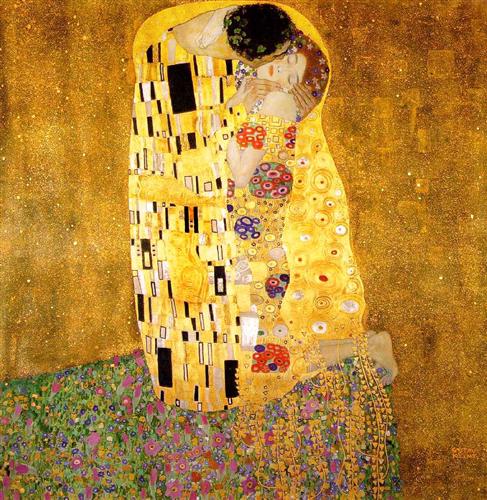
“The Kiss“ (1907-08)
_______
last night, most unexpectedly,
someone I know sent me this, I
wondered if it was because of
the music, the message, or the
performance, consequently I
assumed everything
Mateusz Ziółko won the Voice
of Poland contest in 2013, it’s
fun, despite the language
barrier – the adjudication being
all in Polish – to watch also,
during the evaluation, the judge
in blue fall apart, come entirely
undone, be unabashedly smitten,
from nearly the very first note of
this riveting audition, then spend
the rest of the show trying to get
herself back together again
much as I did, in fact, without
a camera
quiver too, enjoy
Richard
“Hot Jazz“ (1940)
_______
having watched a superb interpretation
of this classic Nat King Cole number on
“So You Think You Can Dance” recently,
a show I havent missed since it started,
I went looking for a performance of the
song I could sink my teeth into, and
Fred and Ginger, however wonderful,
could not give me the immediacy I was
intent on discovering, I needed words,
not action, “Let’s Face the Music and
Dance” from the heart
though I’d heard of Diana Krall, I hadn’t
anywhere yet identified her, if ever I’d
even heard her
she took my breath away, knocked my
socks off, I want to go to Rio, where
she sang this song, just click
once I’d heard this piece on free Internet
video, I ran, didn’t just walk, albeit on the
comfort of my own sofa, to iTunes and
bought the whole show for what turned
out to be essentially a song, $4.99
Canadian, wow
turned out I could’ve got it for free as
well right there by running instead to
Google, had I not been so impetuous,
smitten
“Live in Rio“ is a revelation, and I don’t
even like jazz, but I liked this show
enough to make me want to fly to Rio,
make my own Bossa Nova, maybe even
meet my own Ipaneman
though Diana Krall, incidentally lives
right here in Vancouver, she says
note, in passing, the connections to
Classical music, you’ll want to count
tenuti, for instance, and rubati,
accelerandi and rallentandi, while
you’re at it
note also the Classical imperatives,
tonality, tempo, and repetition, which,
you’ll find, haven’t much changed in
the 21st Century, though rhythm is a
lot more fluid, flexible, now, not so
rigid
the group is a variation on the string
quartet, now comprising double bass,
guitar, percussion, and piano, with
voice thrown in
an orchestral back up makes us ready
for a concerto, where here we have a
set of independent pieces held
together, however solidly, by mere
mood
and, of course, Diana Krall’s vocal
and interpretive magic
Richard
Nieuwpoort, Holland
___________
the year before last when my mom and I
were in Belgium, we stayed at a wonderful
bed and breakfast, Ter Brugge, in a place
called Jabbeke, a village near Bruges, our
intended sightseeing destination, cause
I’d read in the prospectus that they served
fresh eggs from their very own chickens in
the morning, and where there turned out to
be fresh fruit also from their very own
orchards
not to mention the hearty, convivial
welcome in the manner of the countryside –
the restaurant across the street, five stars
nevertheless, however improbable in so
nestled and remote an area, even let us
bring back cash instead of the unaccepted
credit card we were proffering, and wouldn’t
accept a compensatory tip when the next
day I returned to oblige
try that in your own urban back yard
more companionable still were our hosts,
Staf and Annemie, who’d faultlessly drive
us several kilometres away to the bus stop
every morning to the city, and pick us up
across the street there every night, so
we could spend, without impracticality,
each day in Bruges
and every morning we’d meet up with a
couple from England as we waited, who
were staying in a trailer park nearby,
and who’d trek to Ypres by bus to honour
their countrymen who’d died there
somehow we never thought, my mom
and I, of going to either Ypres or
Passchendaele, despite our, especially
her, particular interest
we learned from them that every day,
every day, however improbably, since
the end of the First World War, there is
a commemoration to honour the fallen
soldiers
today I learned that in a cemetery near
Maastricht in Holland, every single fallen
soldier there has been adopted by a family
who’ve been minding their graves ever
since
makes one wonder about our own
beloved
on Liberation Day each year, May 5th,
throughout Holland, there is a formal
commemoration at the end of which,
since 1965 when it was commissioned,
someone plays “Il Silenzio“
Richard
_________
inspired by a favoured blogger of
mine who’d highlighted an obscure
composer who’d written an
unforgettable cultural ditty we’d
all heard but never further thought
of, Hugo Alfvén, I was reminded of
another Scandinavian giant, Grieg
stop, watch, don’t just listen, to
Arthur Rubinstein make history
with Grieg’s A minor Piano
Concerto, he is the very
representation of all of the
proprieties of a late 19th-Century
aesthetic, noble, aristocratic,
austere, yet authentic, capable,
firm
André Previn’s orchestral
accompaniment is unobtrusive,
and disappears, for all intents
and purposes, behind the sheer
dedication, conviction, of the
true maestro, the veritable muse,
the instigator, Arthur Rubinstein,
watch him leave all of them behind
in flurries of electrified inspiration
this performance bursts beyond
all literal expectations, expect
nothing short of transcendence
Richard
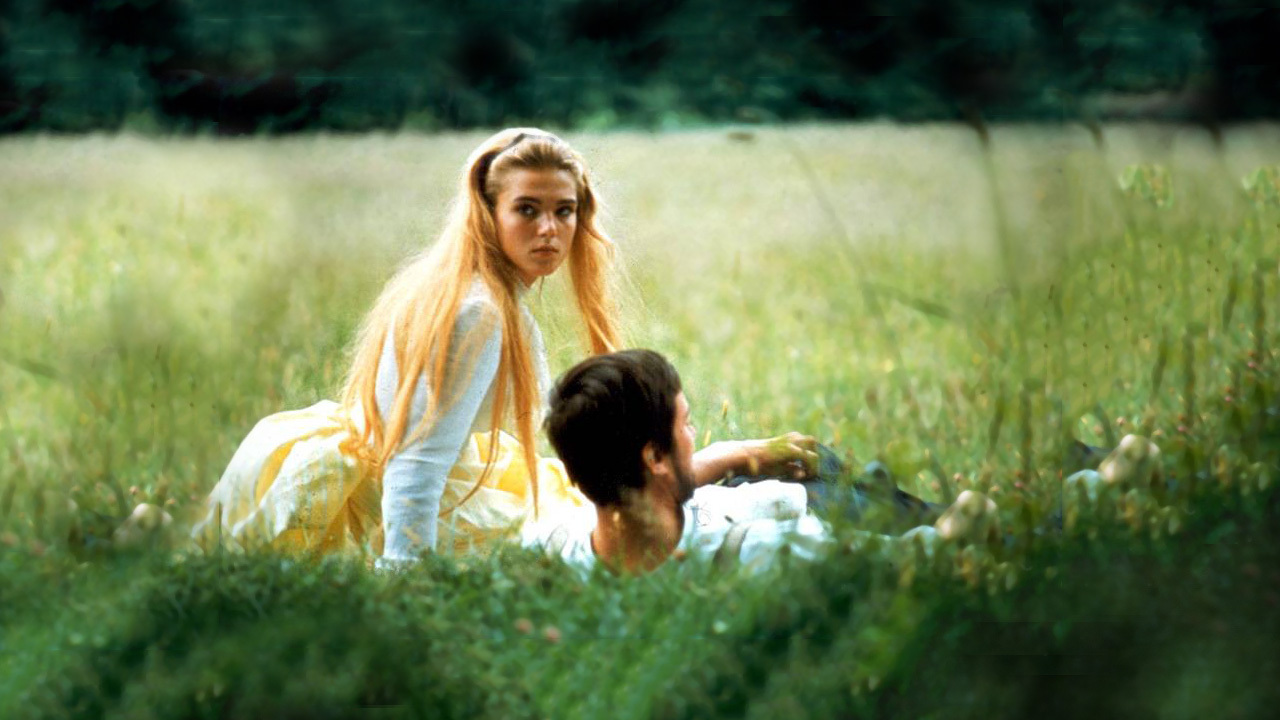
a still from the movie “Elvira Madigan”
________________
there’s been a second round of
recitals, enough to make you
weary of sonatas, unless you’re
stalwart, devoted, primed
the prizes have been awarded,
the results posted at the site,
so that any mystery, excitement,
has been chilled, had you been
in any way excited about your
choices
they certainly rained on my
parade
by now most of my favourites
have gone down, others have
been perfunctory, to my mind,
but three, which surely I’ll
cover, but presently let me
start with Maria Mazo, a
wonder, who’d wowed me
earlier with her
transcendental Beethoven
here, with an orchestra, she
takes on a monument of the
20th Century, Mozart’s 21st
Piano Concerto, better known
since the mid-20th Century as
the theme to the movie,
“Elvira Madigan“, a forgotten
film now, however enchanting,
but this is where a generation
learned about Mozart
Maria Mazo sets the new
standard here, this is how
you’ll hear this concerto from
now on, it is magical, it is
mystical, it is extraordinary,
it’s right up there with the
greatest, who are presently
handing over to her our
musical reins
thank you, Mitsuko Uchida,
with the greatest admiration
strangely Maria Mazo didn’t
even place
who could ‘a’ ever thunk it
Richard
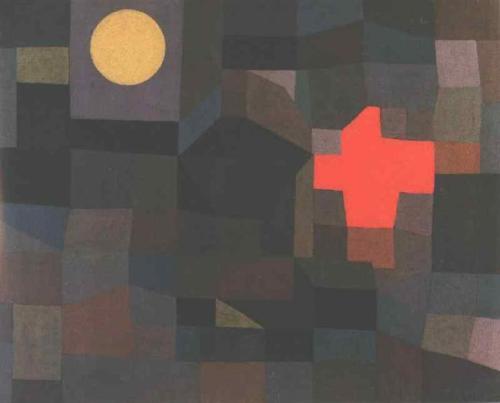
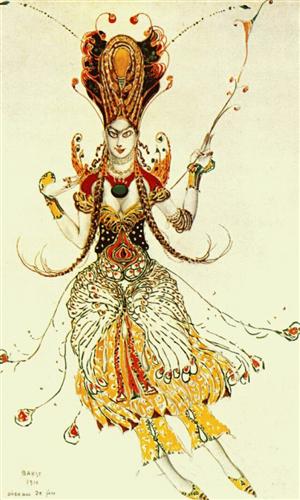
“L’oiseau de feu“ (1910)
________
after playing Scriabin’s 4th Sonata,
in F# major, opus 30, a passionate
but poised performance of a work
dated 1903, Ravel maybe, or
Debussy, at first I thought, though
neither had ever been so furious in
my recollection, then a transcription
for piano of the last movements of
Stravinsky’s “Firebird”, a work as
obstreperous as the Scriabin, and
as revolutionary, relentless and
brash, much more audacity than
diplomacy however ultimately
treasured universally and celebrated,
Maria Mazo undertakes no less than
the mightiest of the mighty, gasp,
Beethoven’s “Hammerklavier”
she takes on the first two movements
at something of a clip, not an
unwelcome occurence so long as you
have the fingers for it, which on the
strength of her earlier numbers I
deemed she would, and did, which
only added to the gravitas of her then
largo, which thereby became
resplendent, luminous, utterly and
verily, indeed, transcendental, note
the cherubs twittering halfway
through, just before Beethoven
enters the portals of very Heaven
and is transformed into radiance and
incandescent light before your
very astonished sensibilities
Maria Mazo should win
Richard